
GO FURTHER
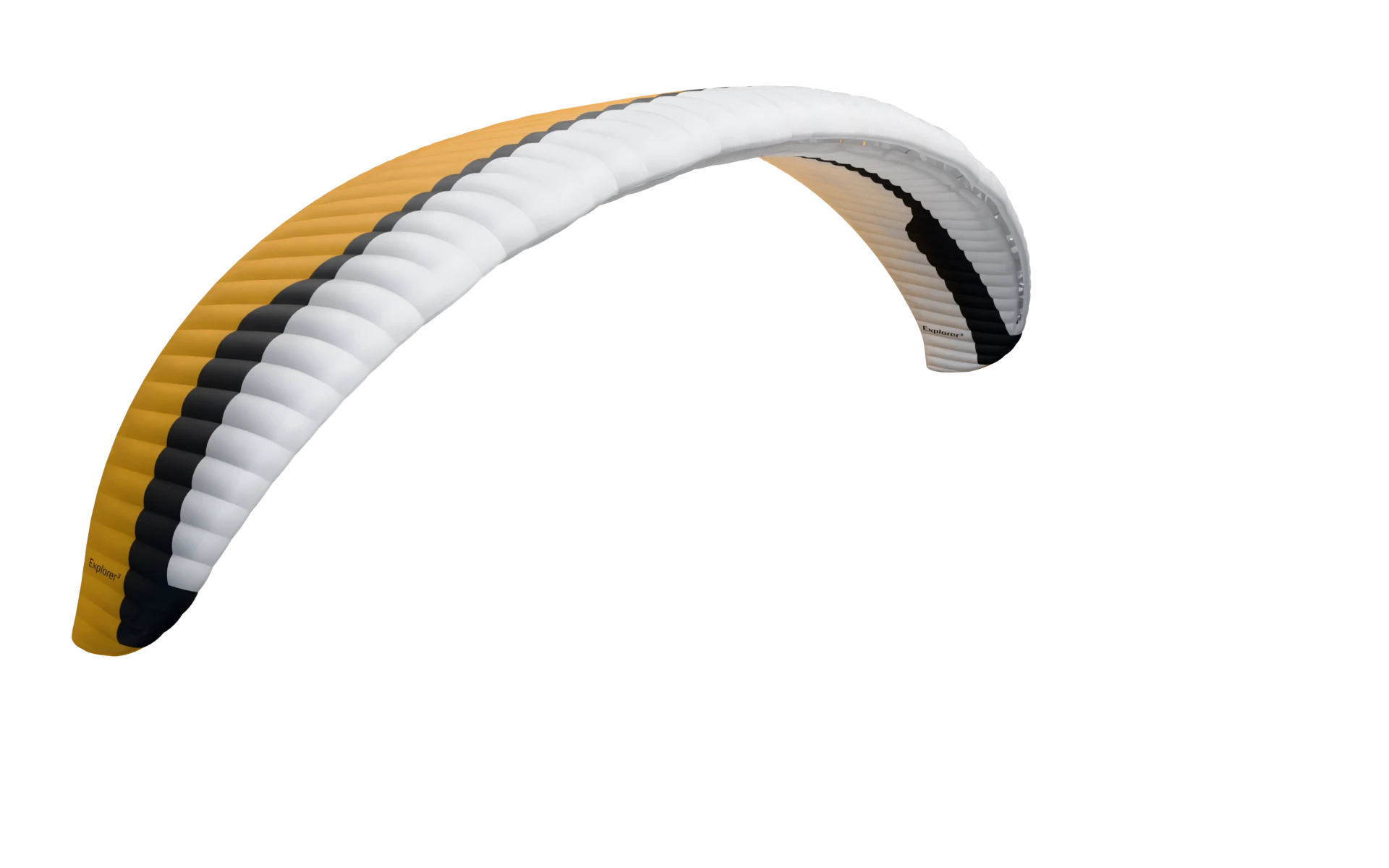
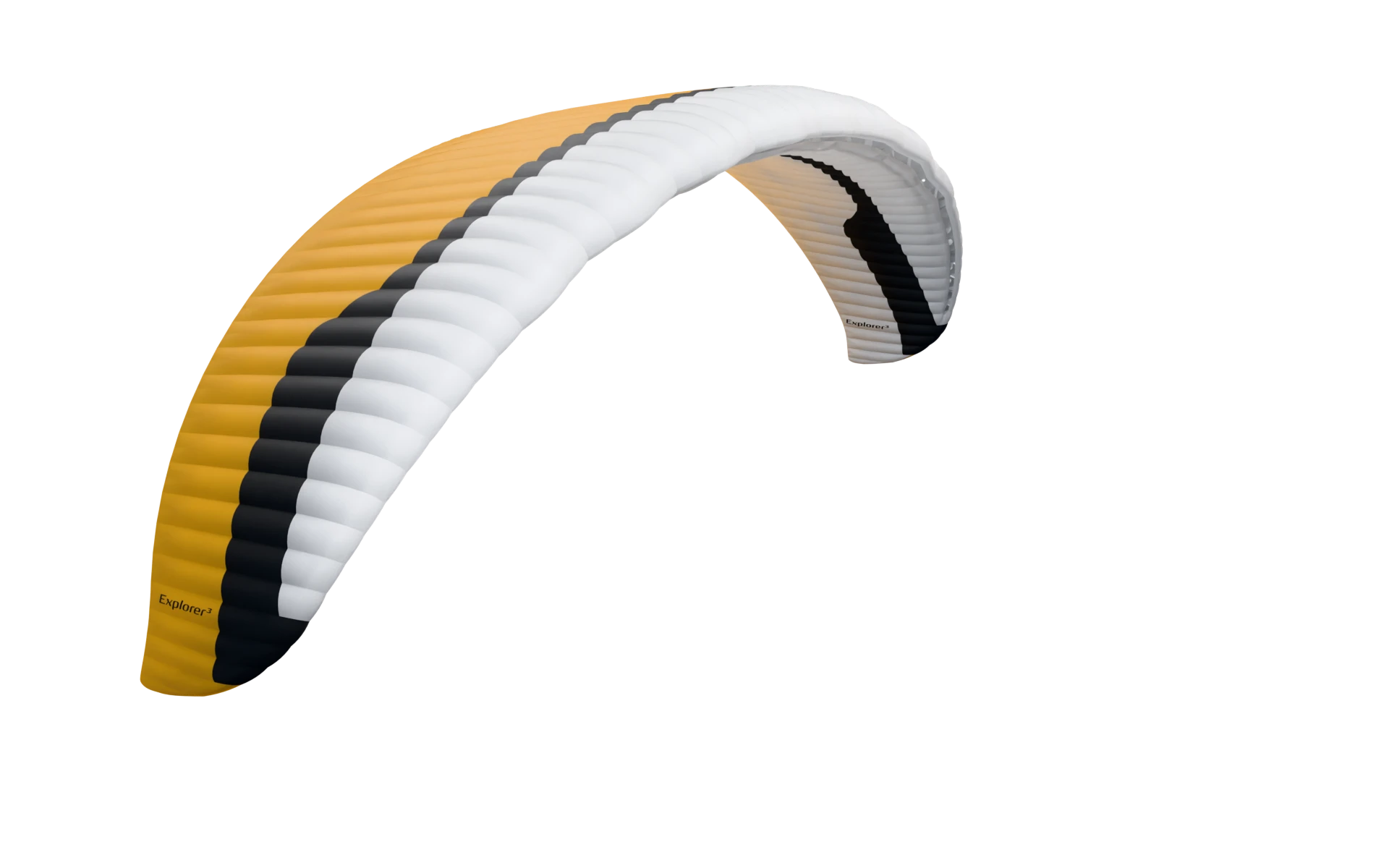
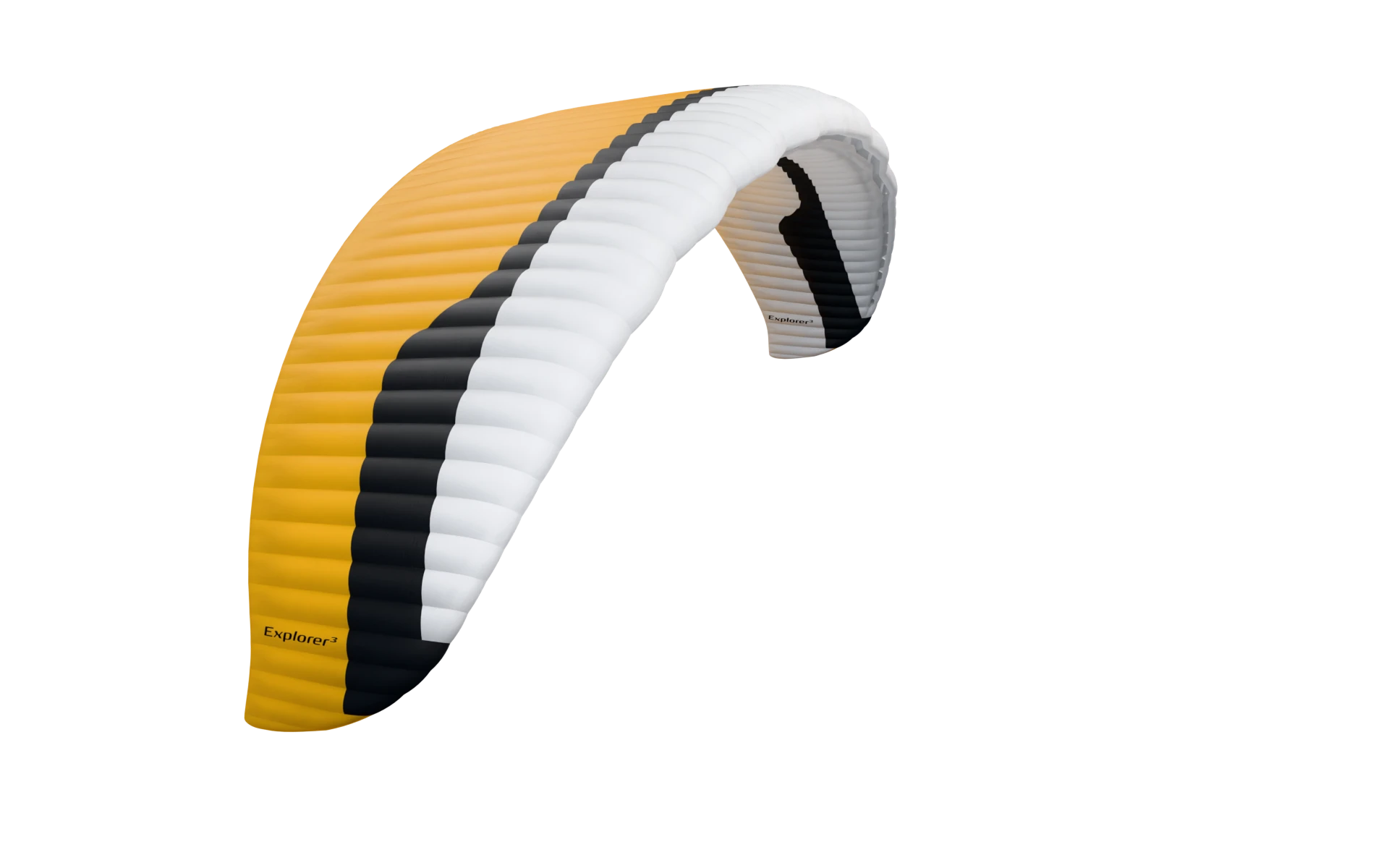
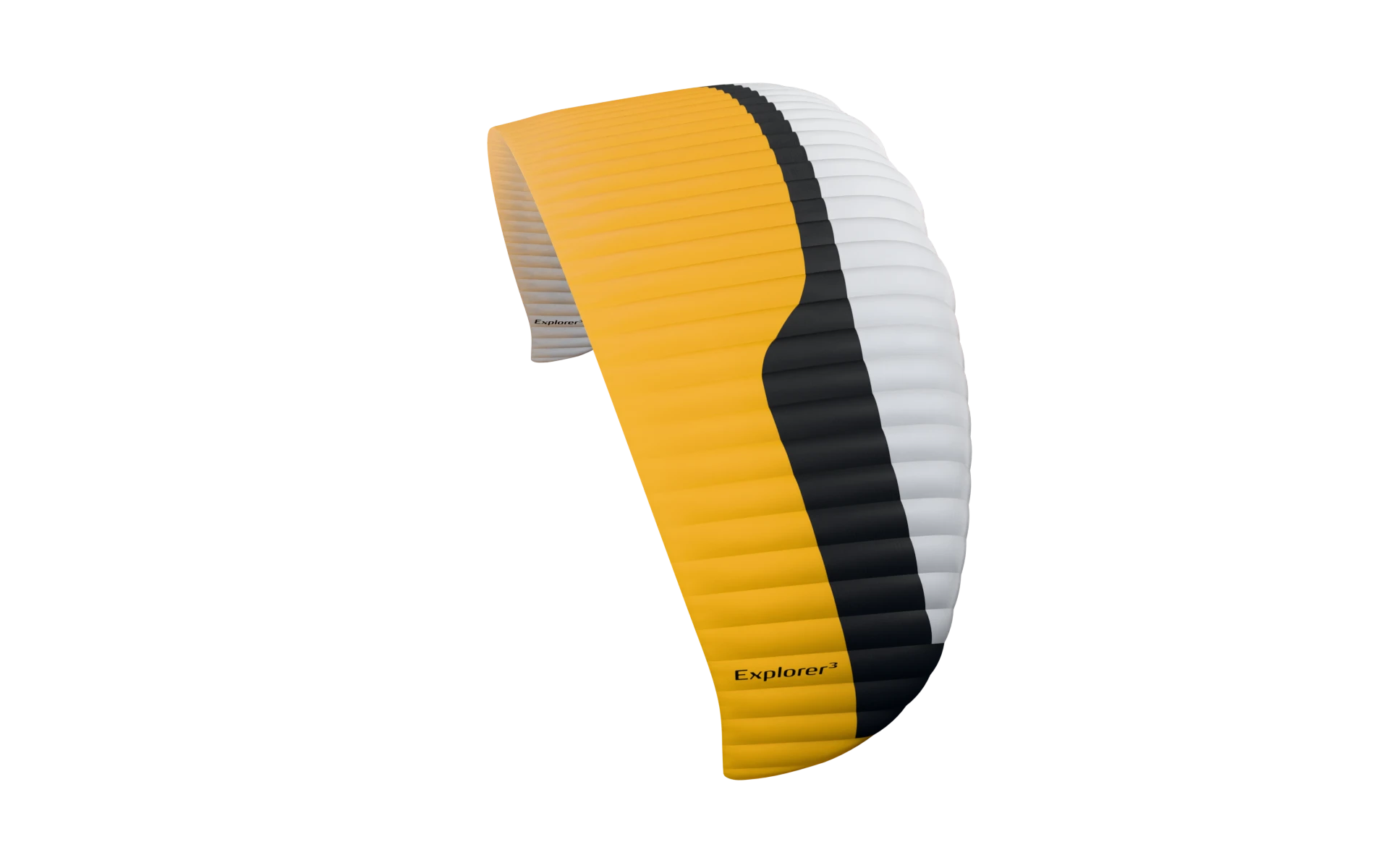
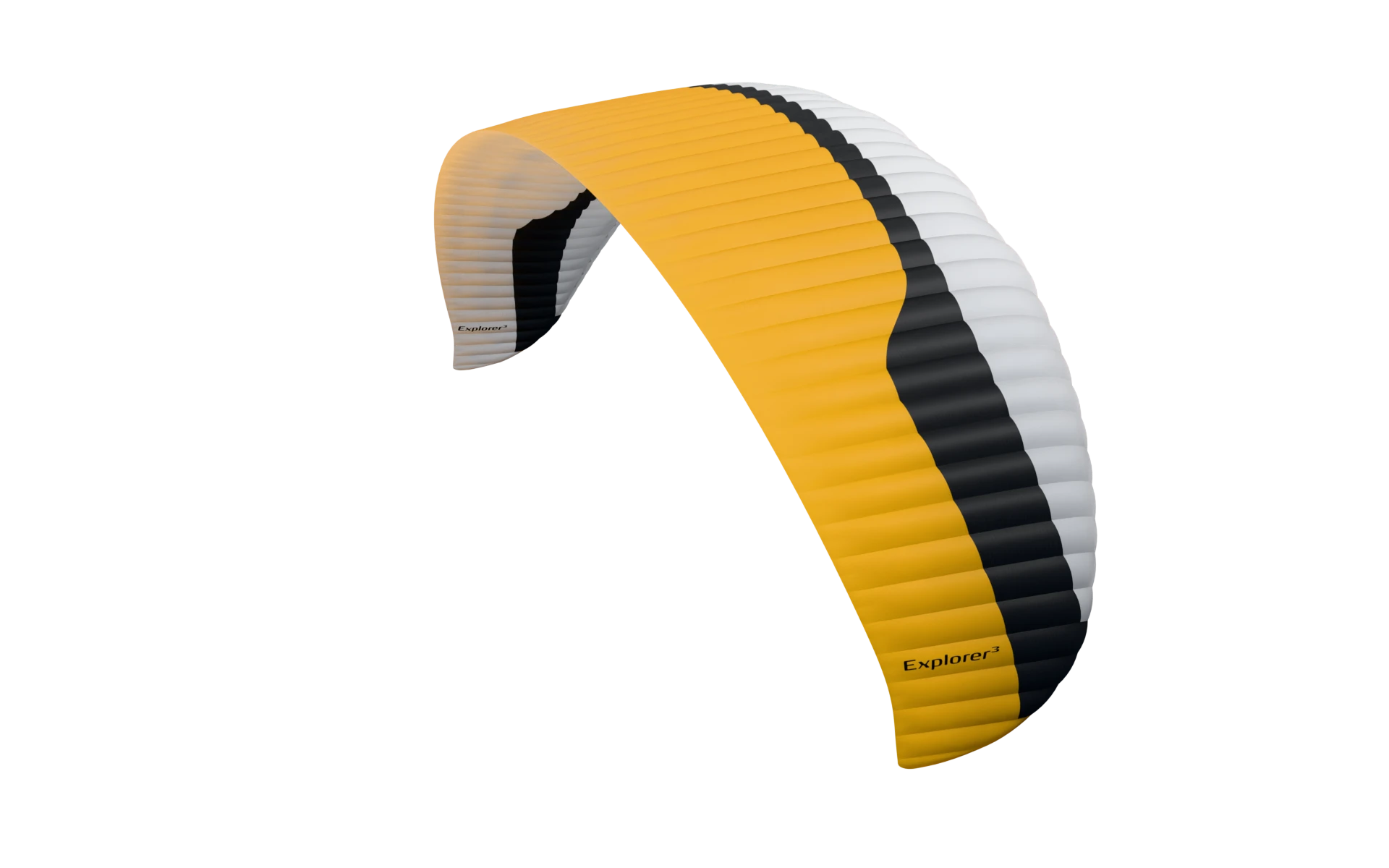
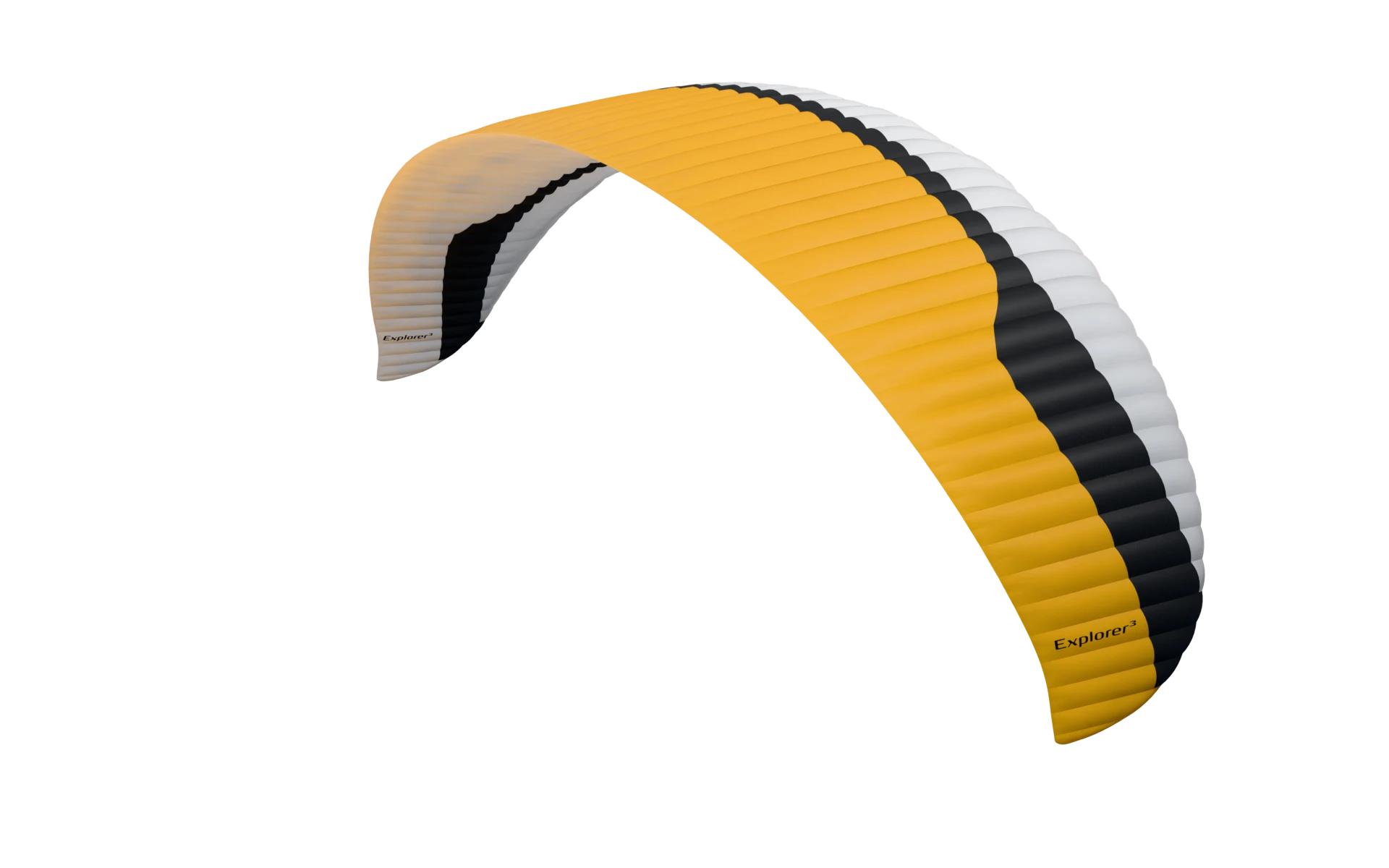
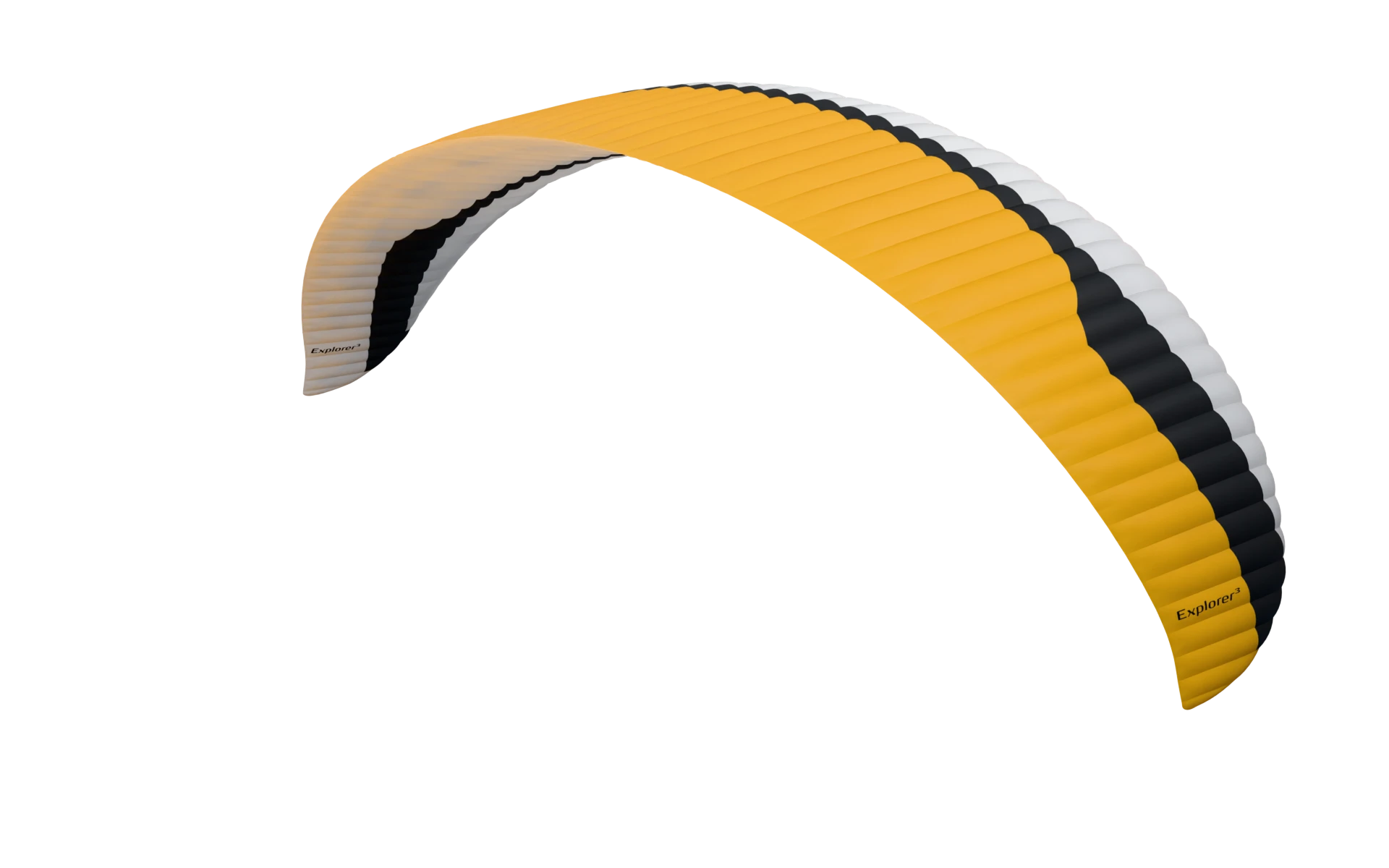
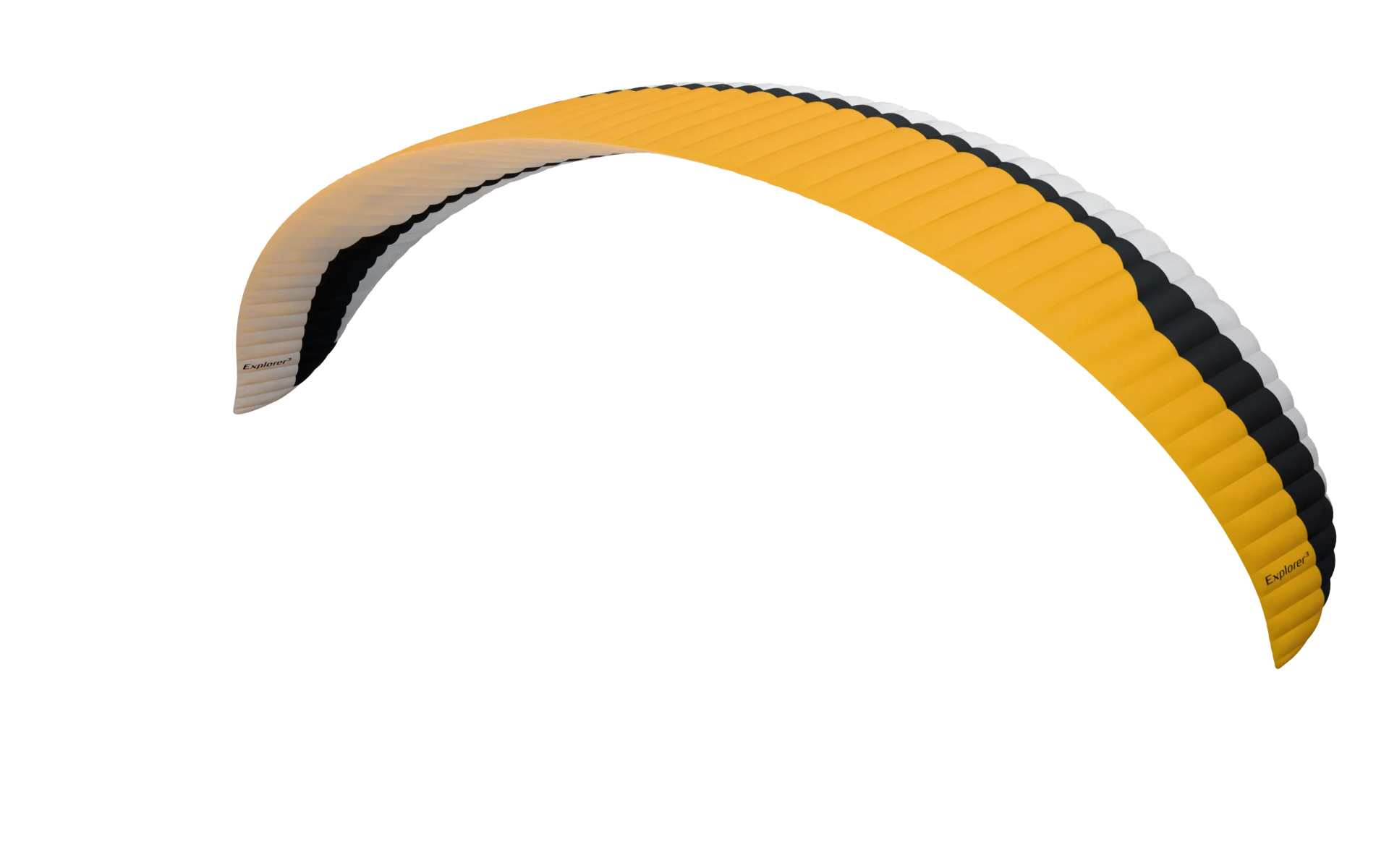
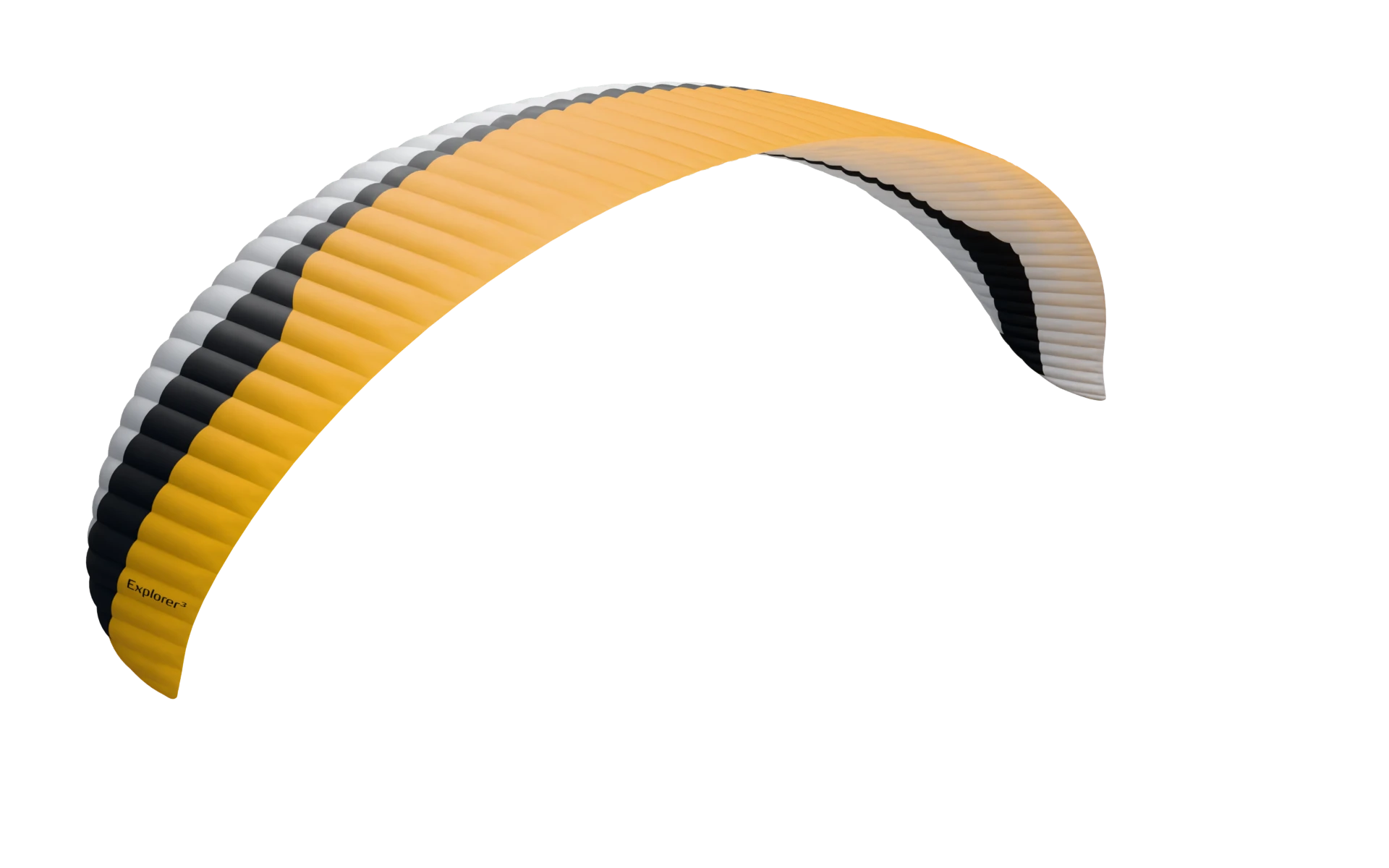
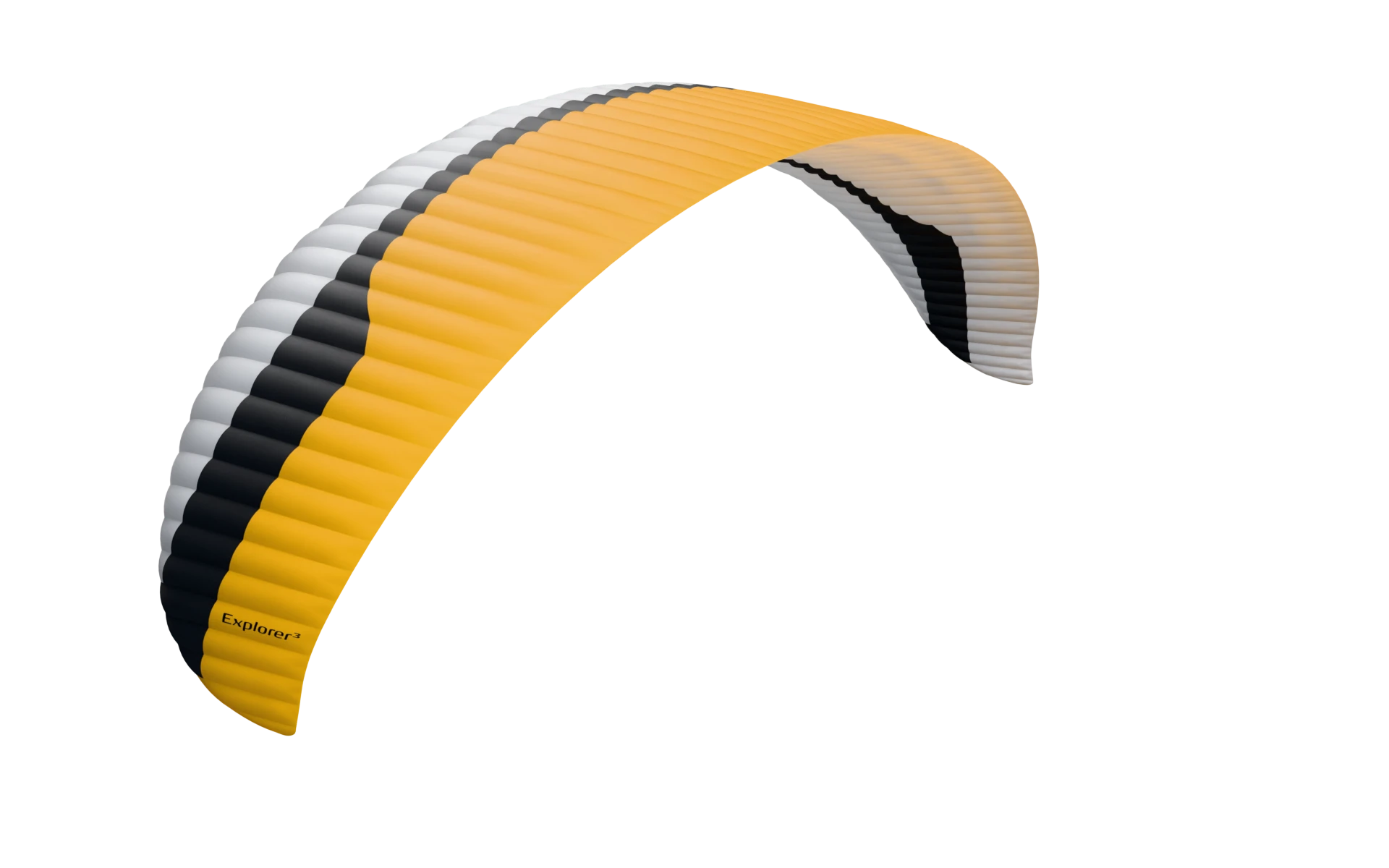
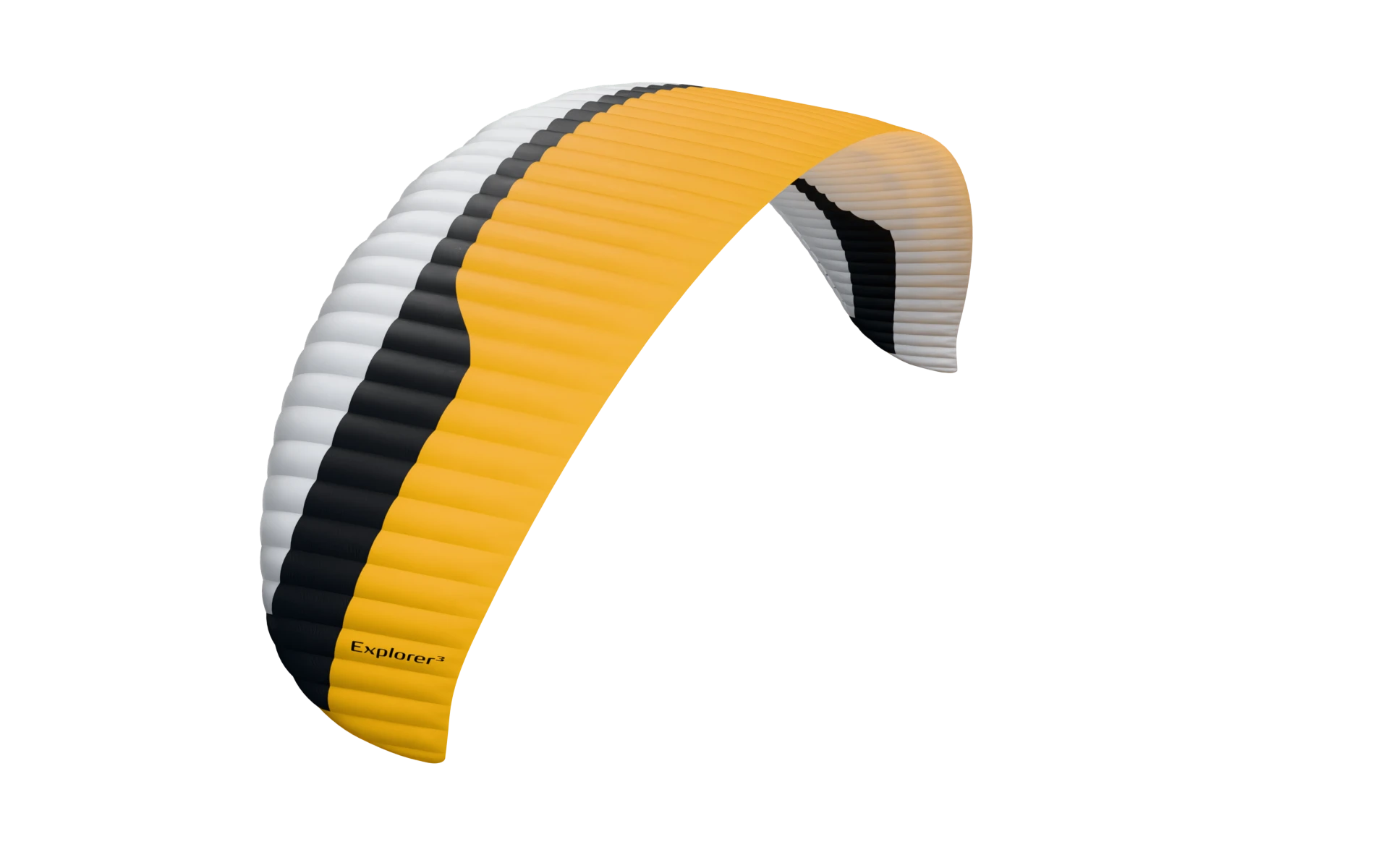
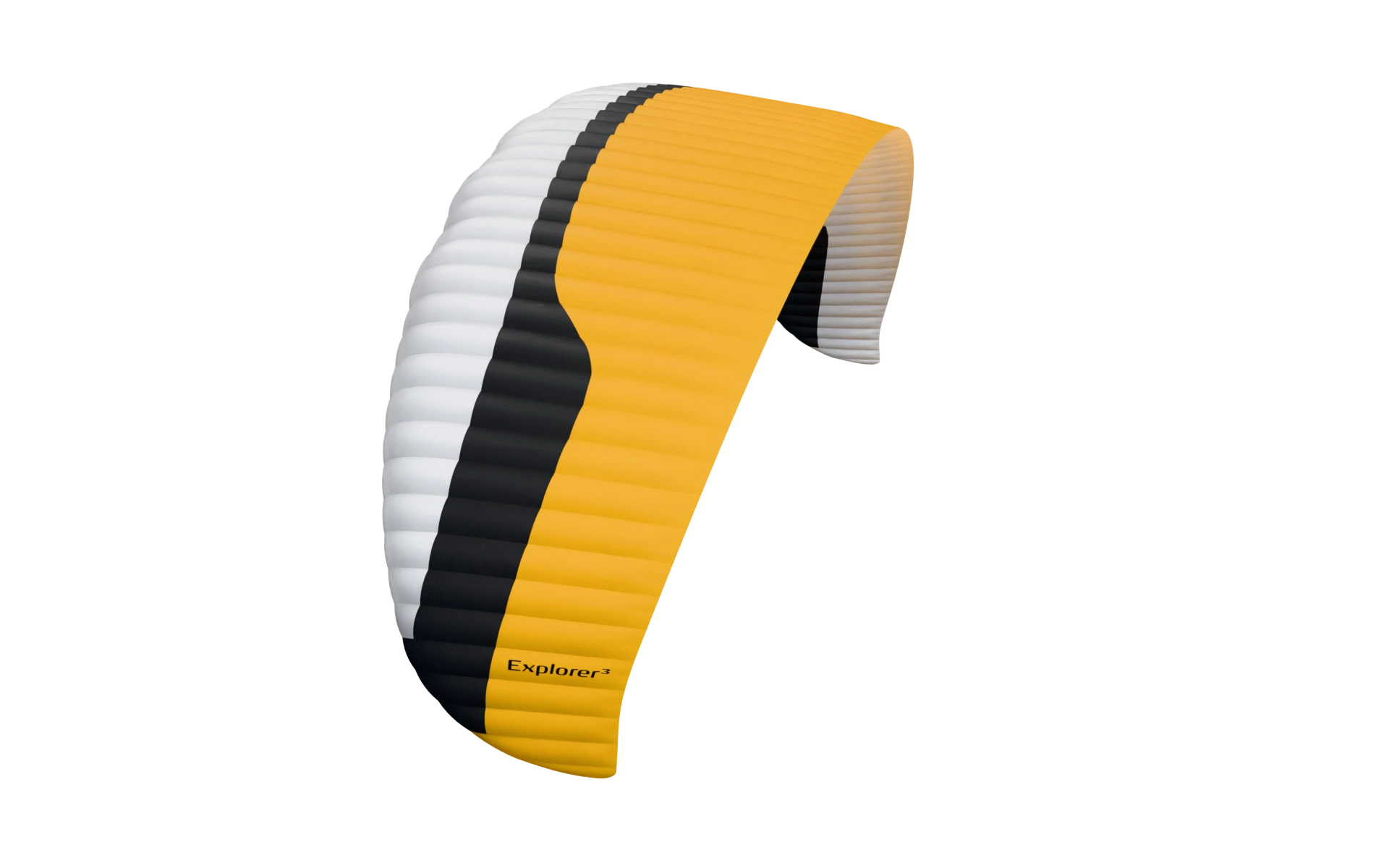
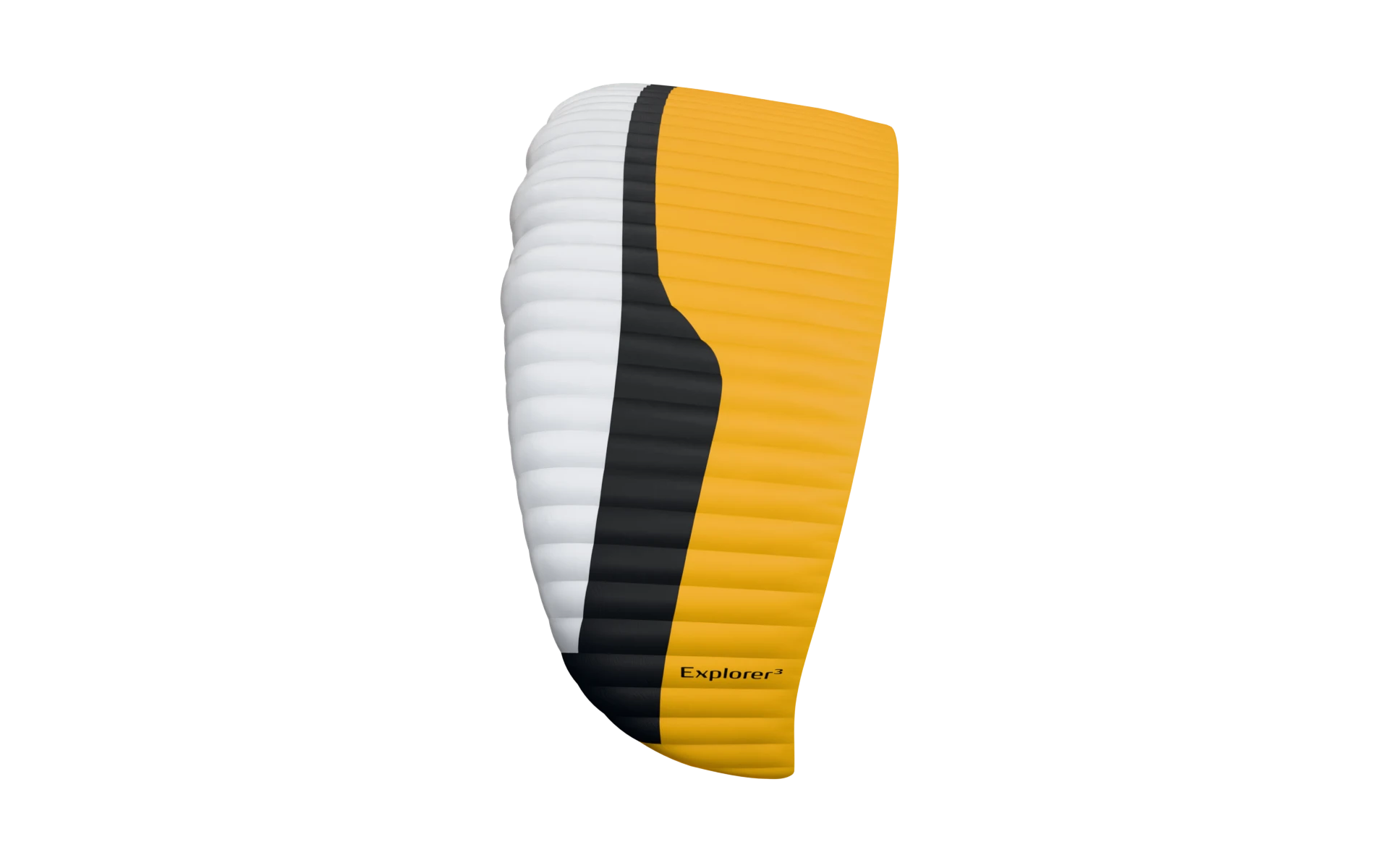
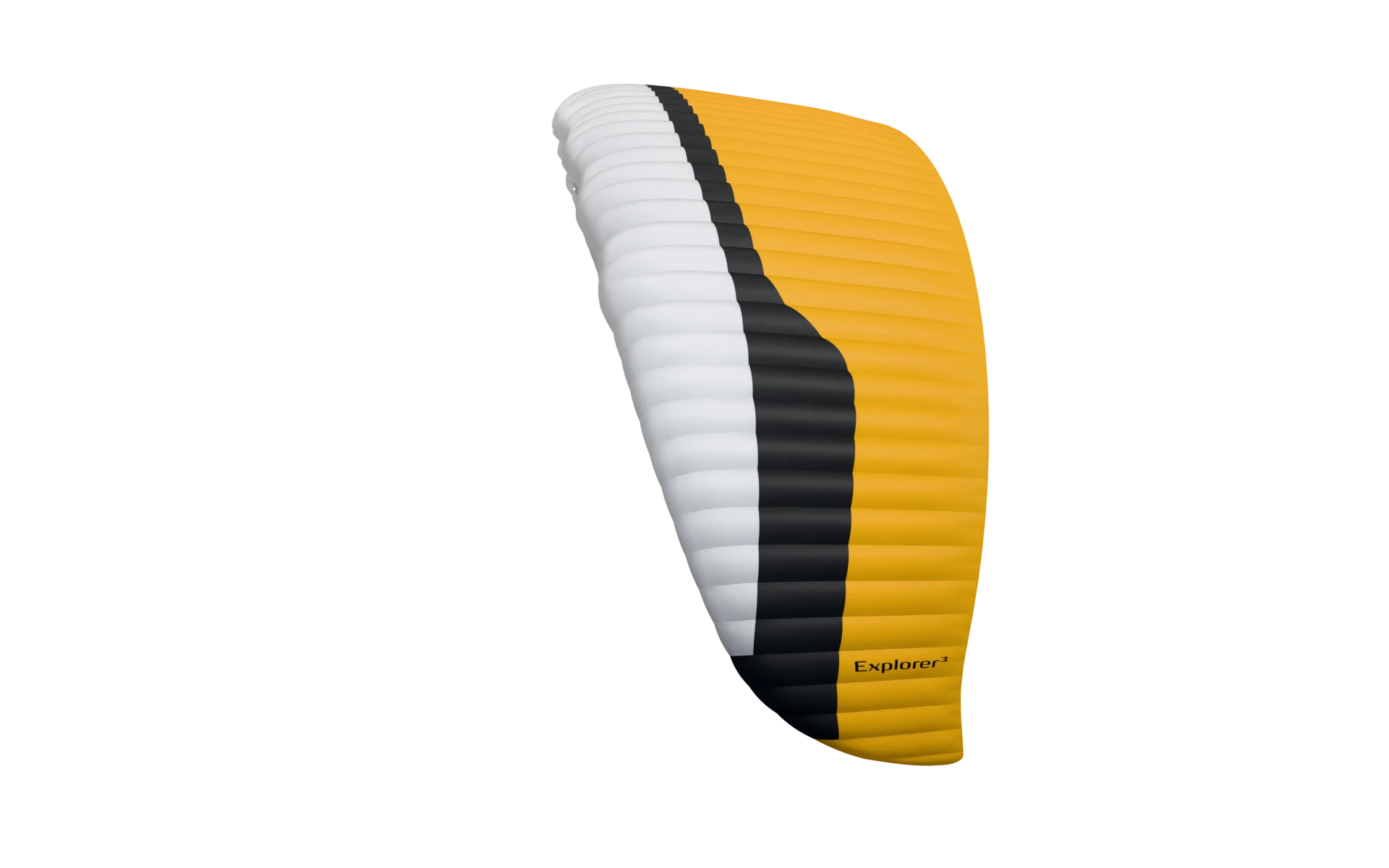
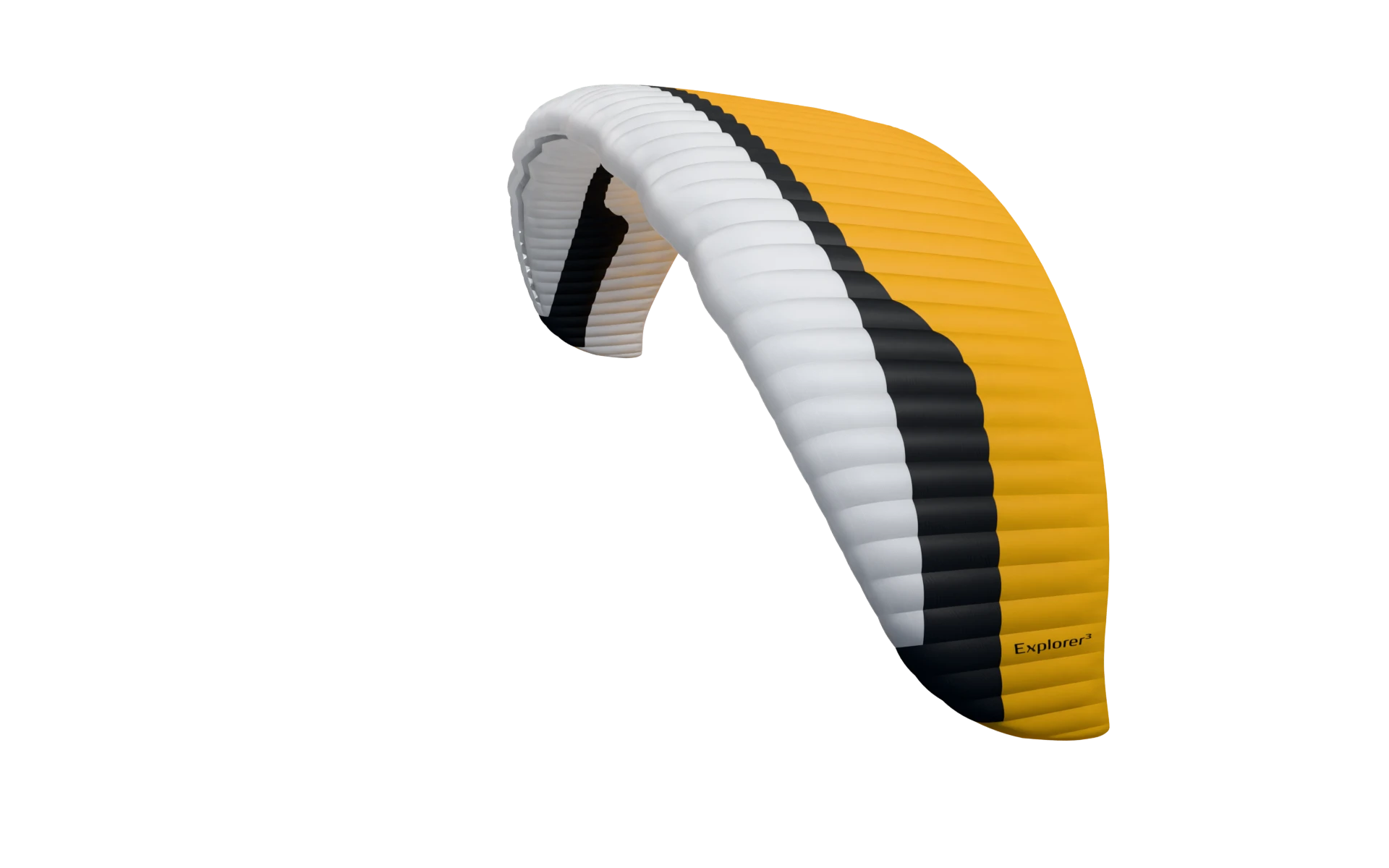
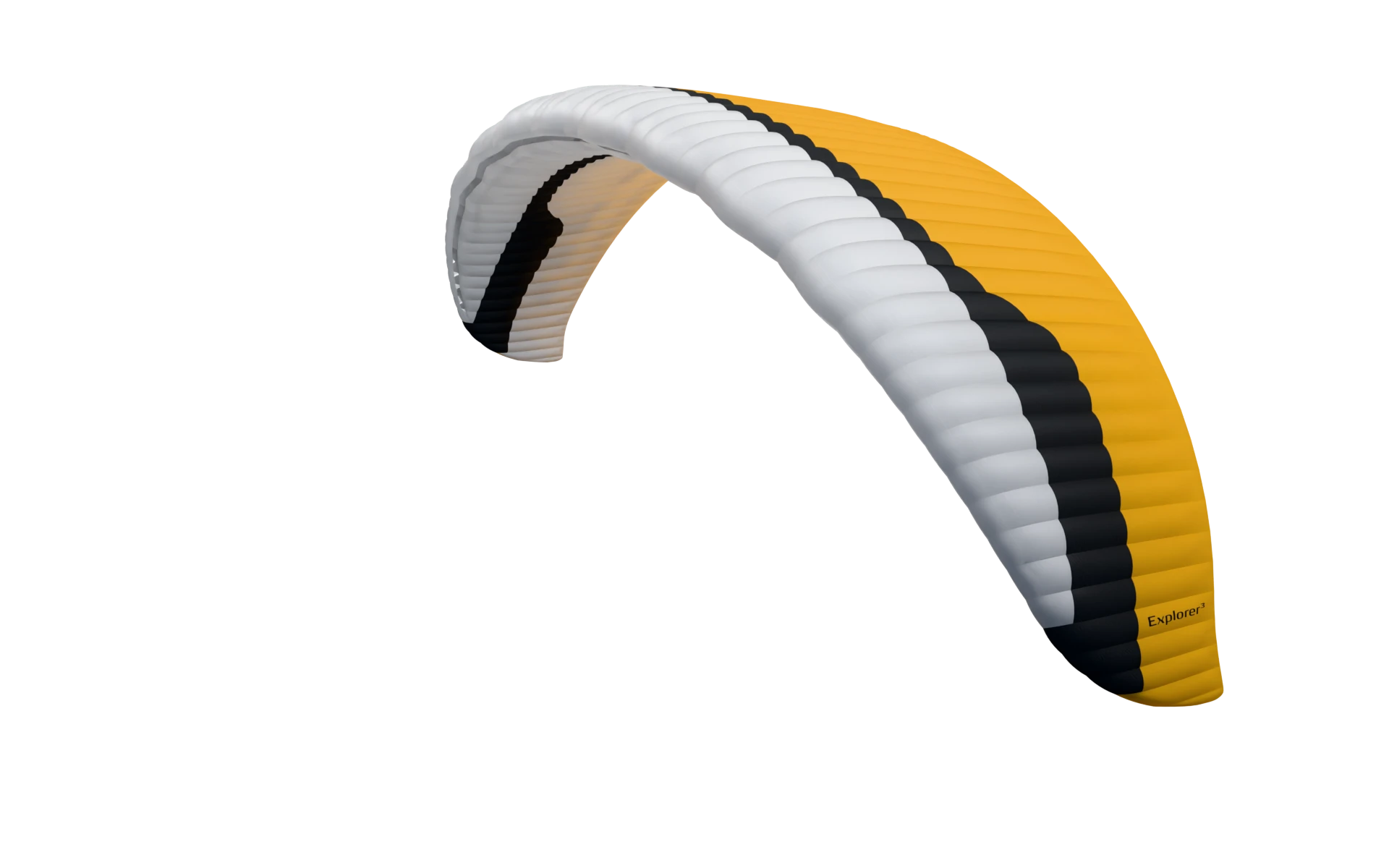
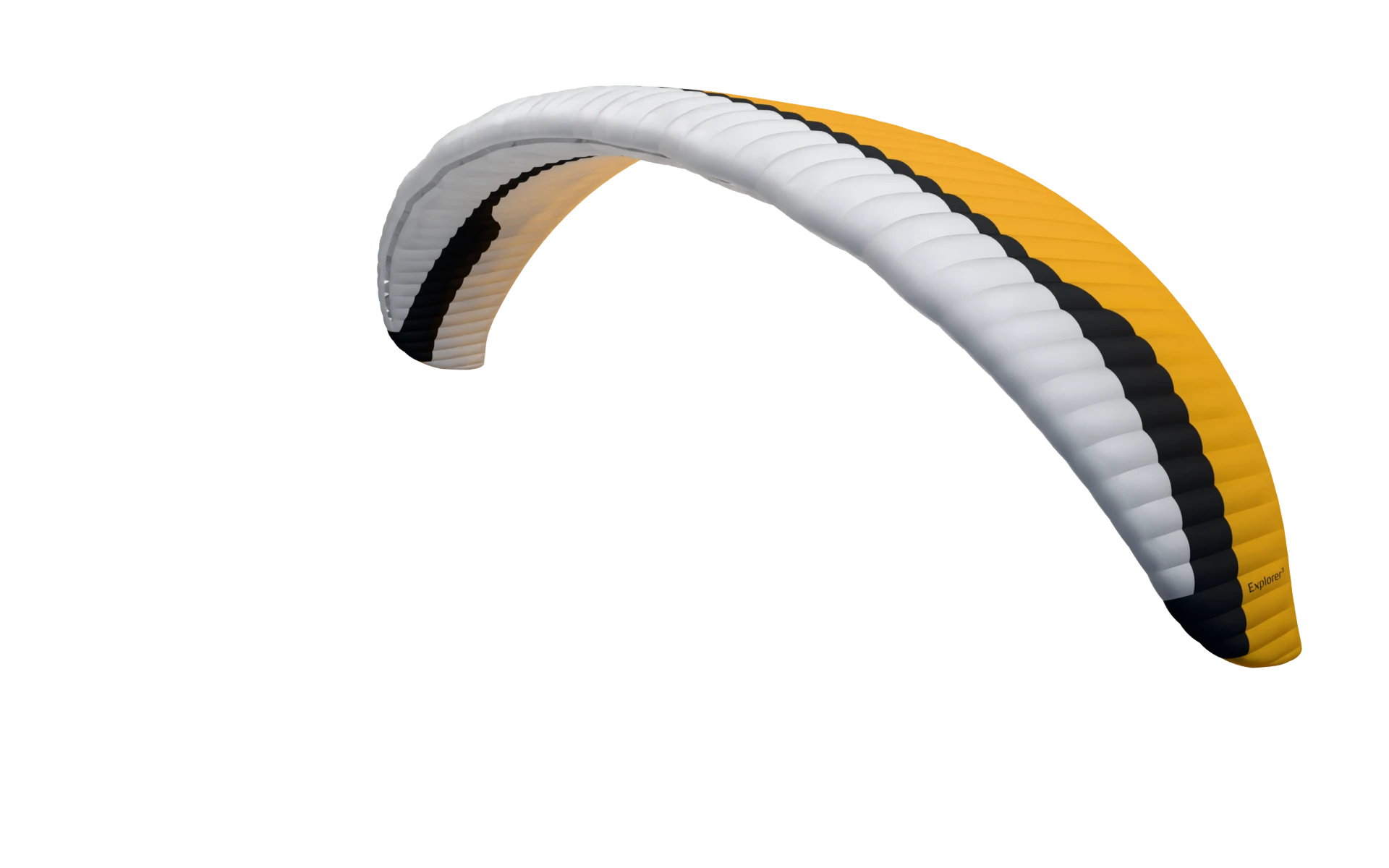
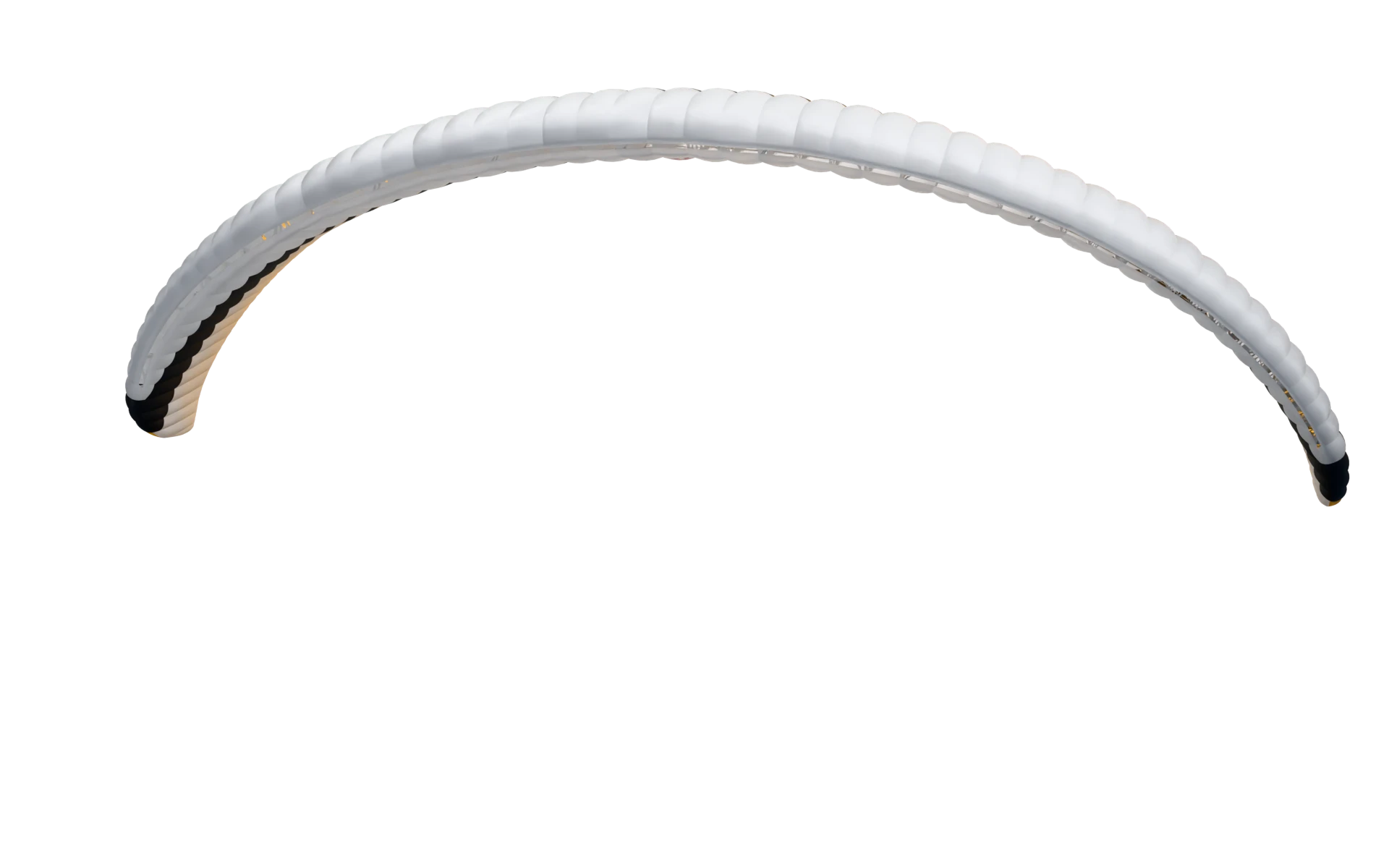
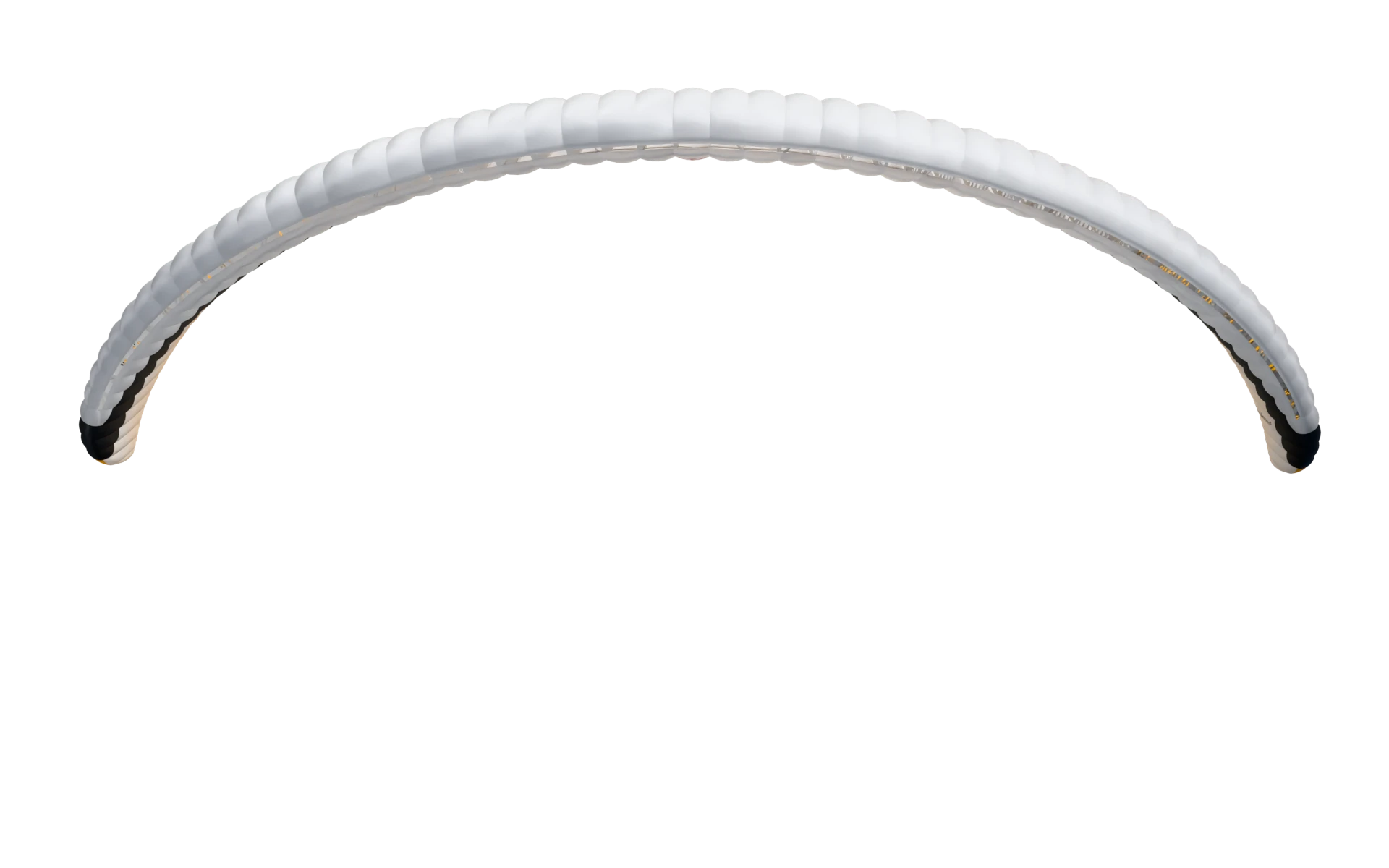
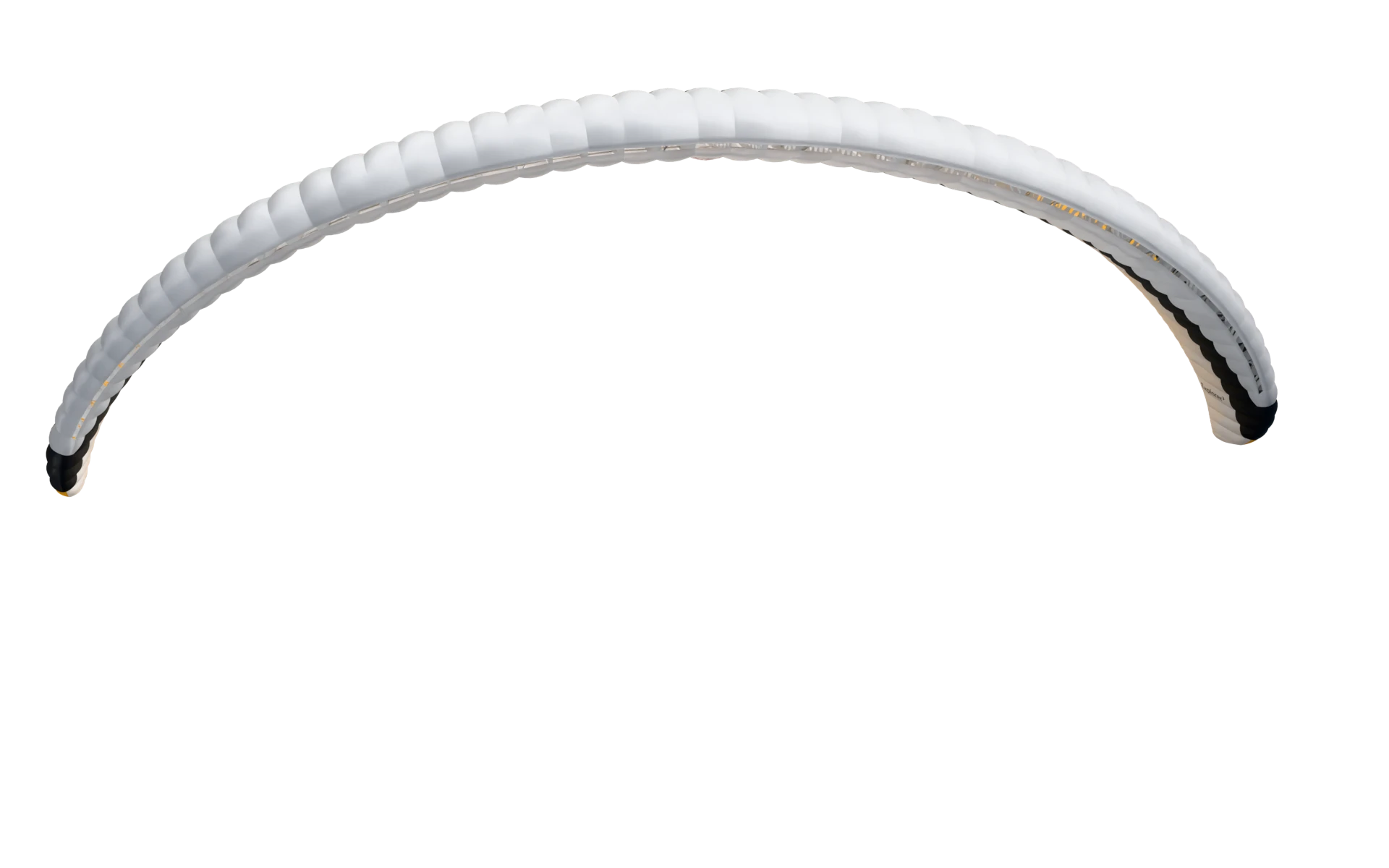
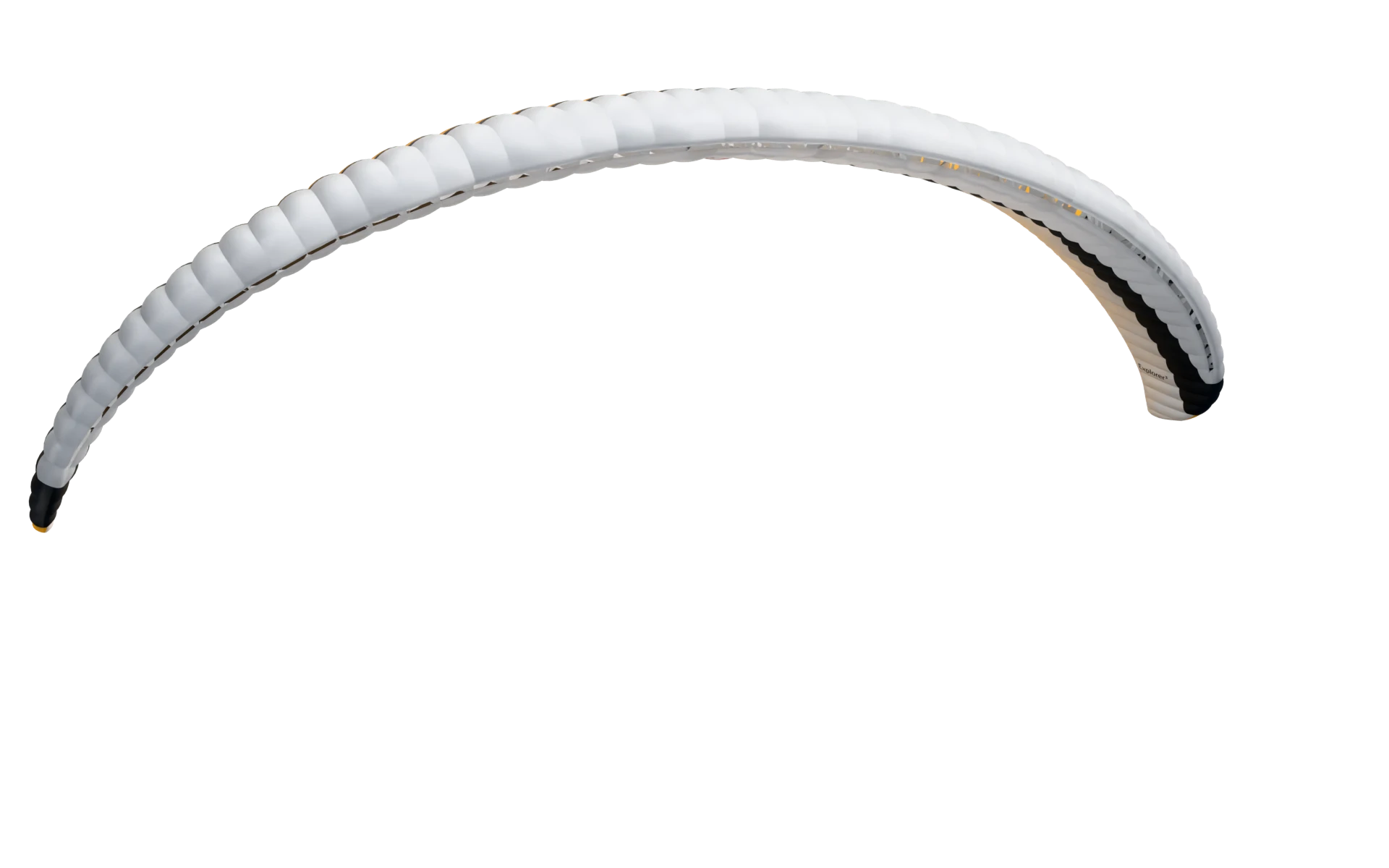
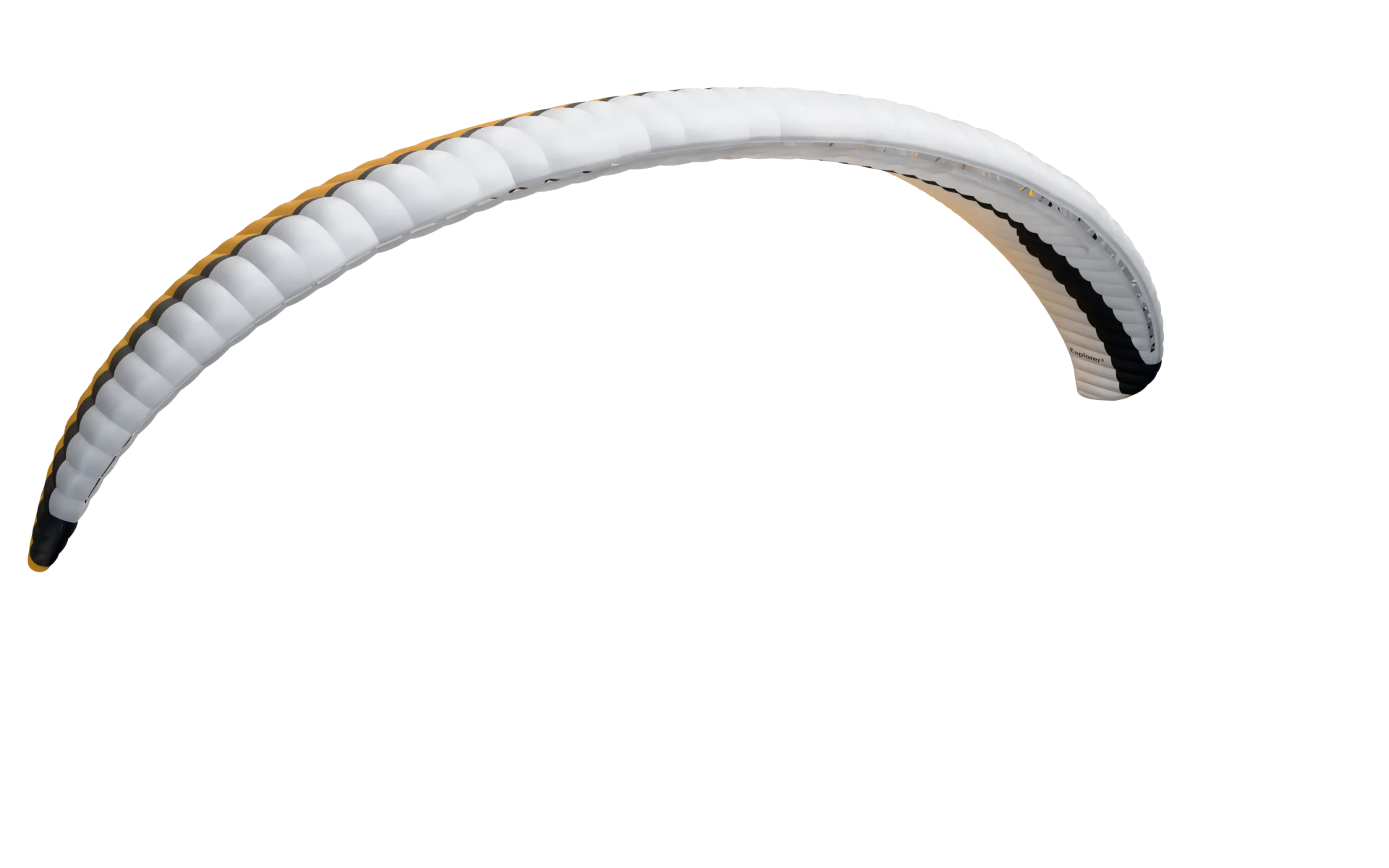
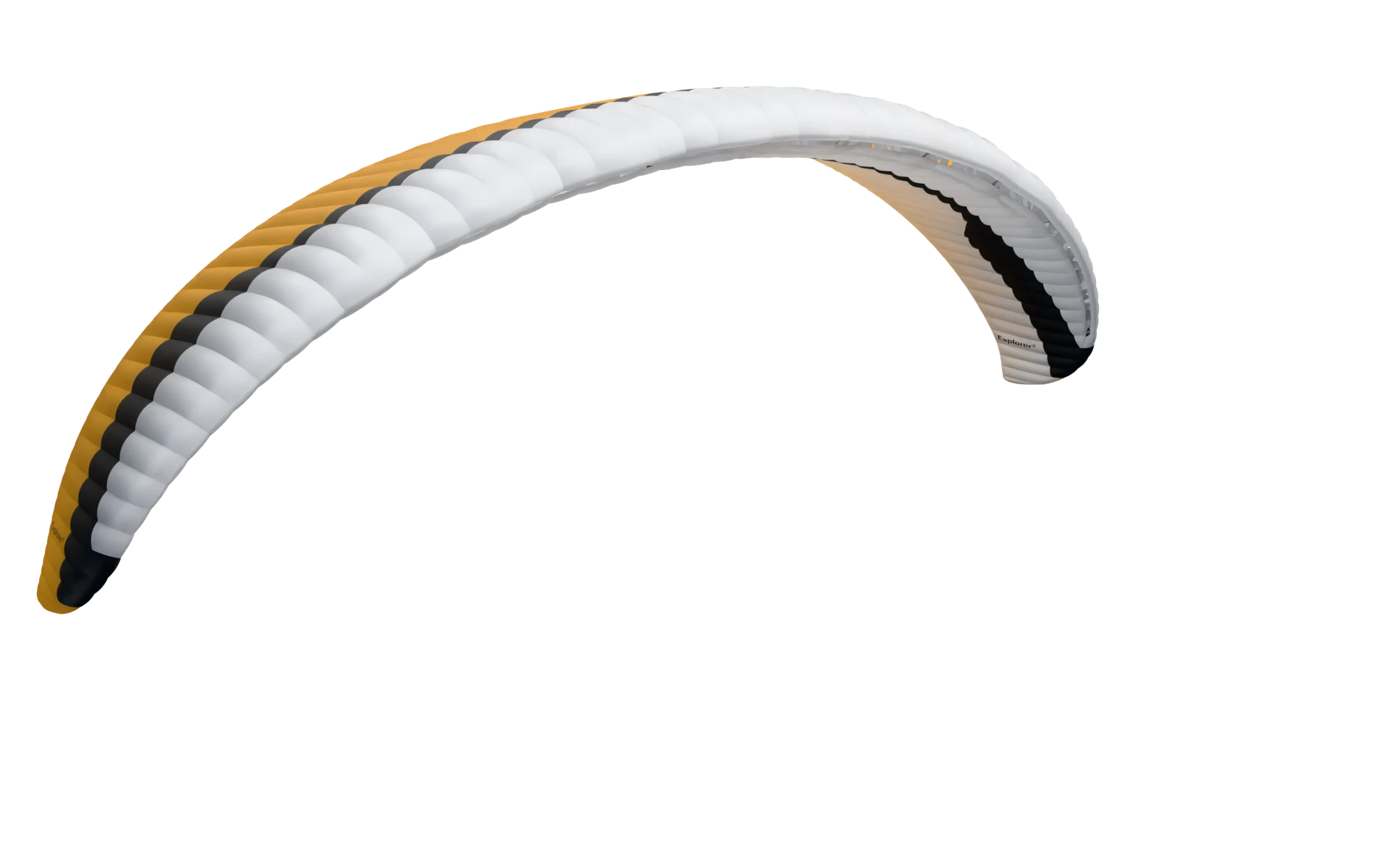
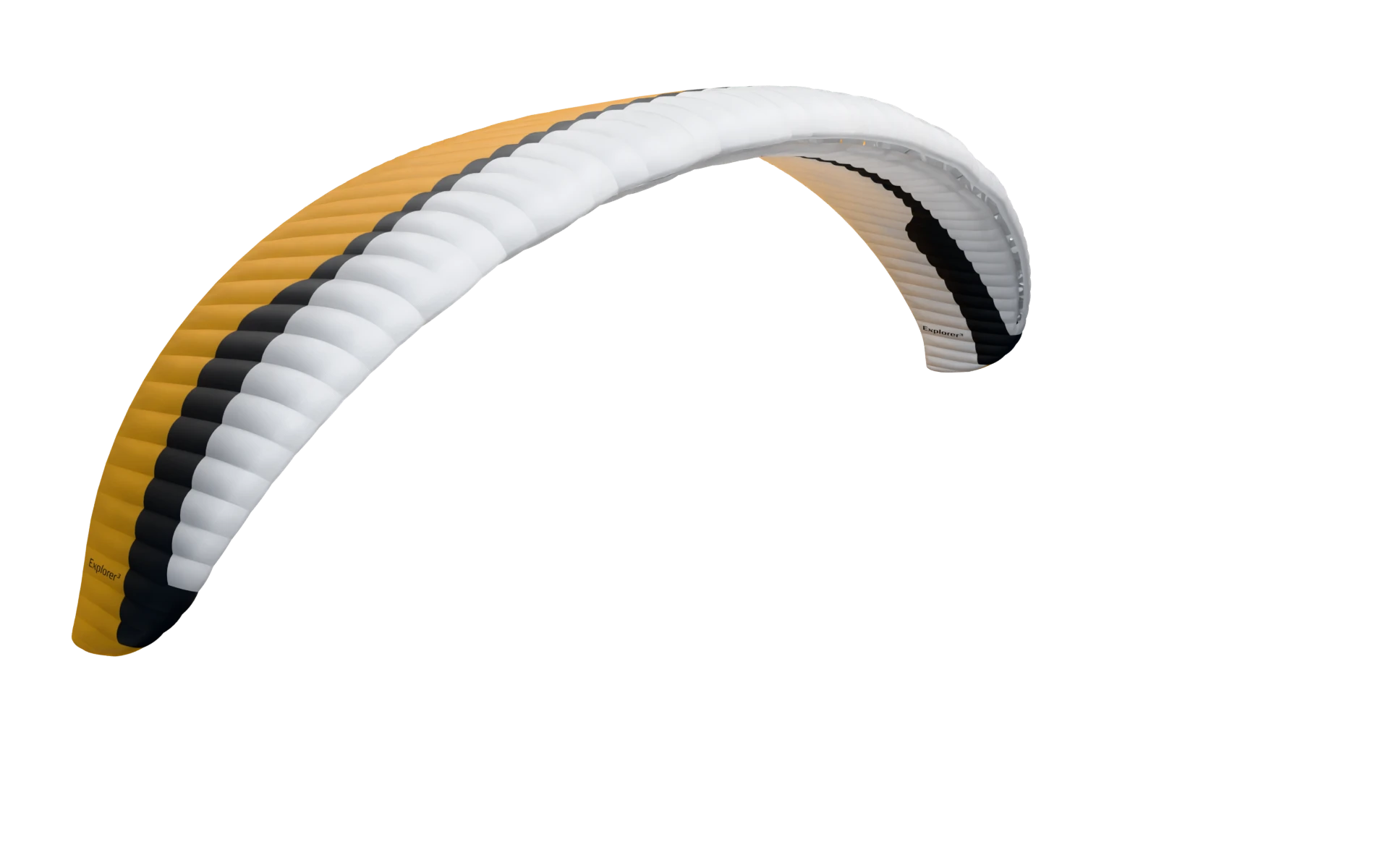
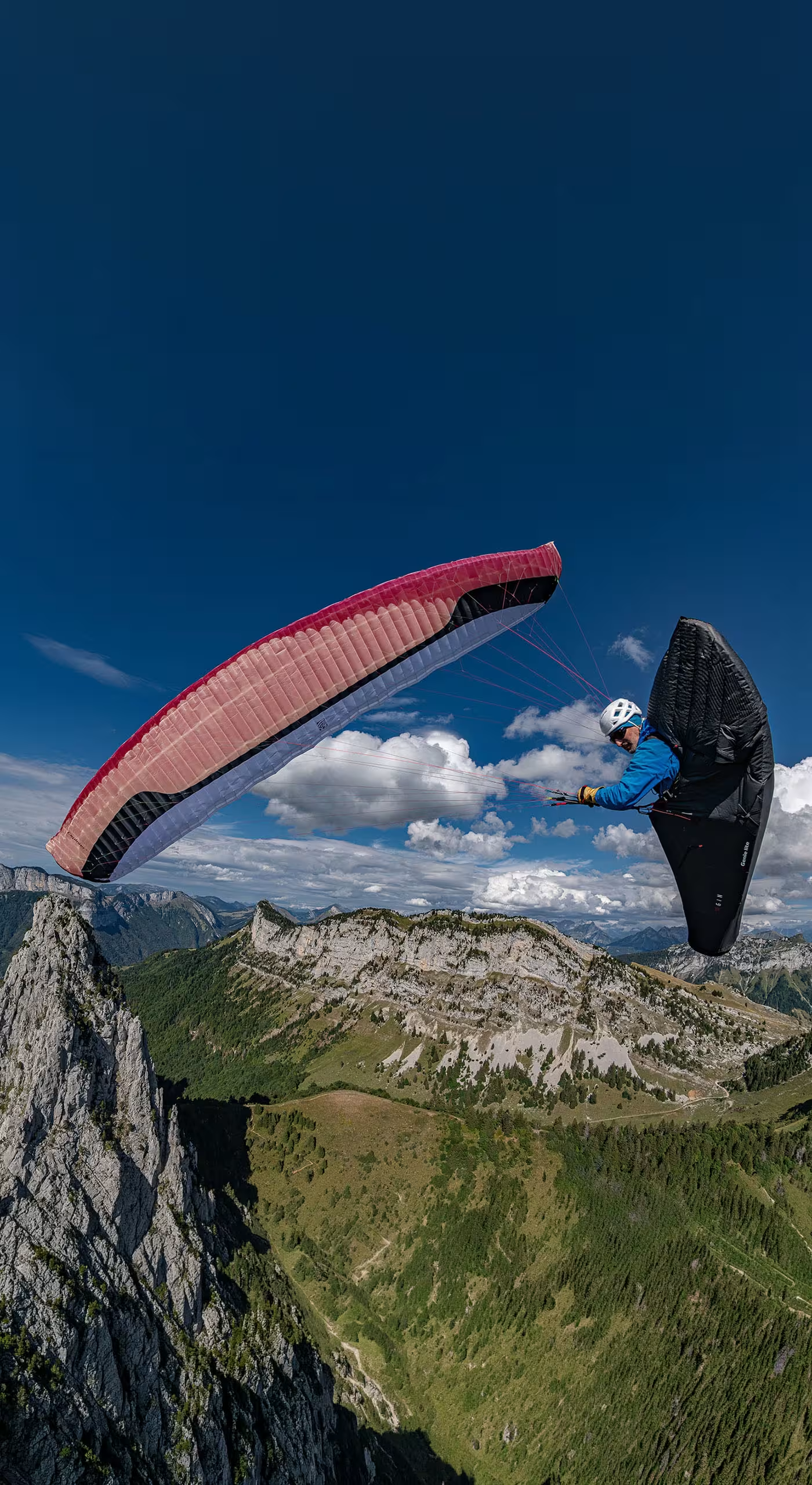
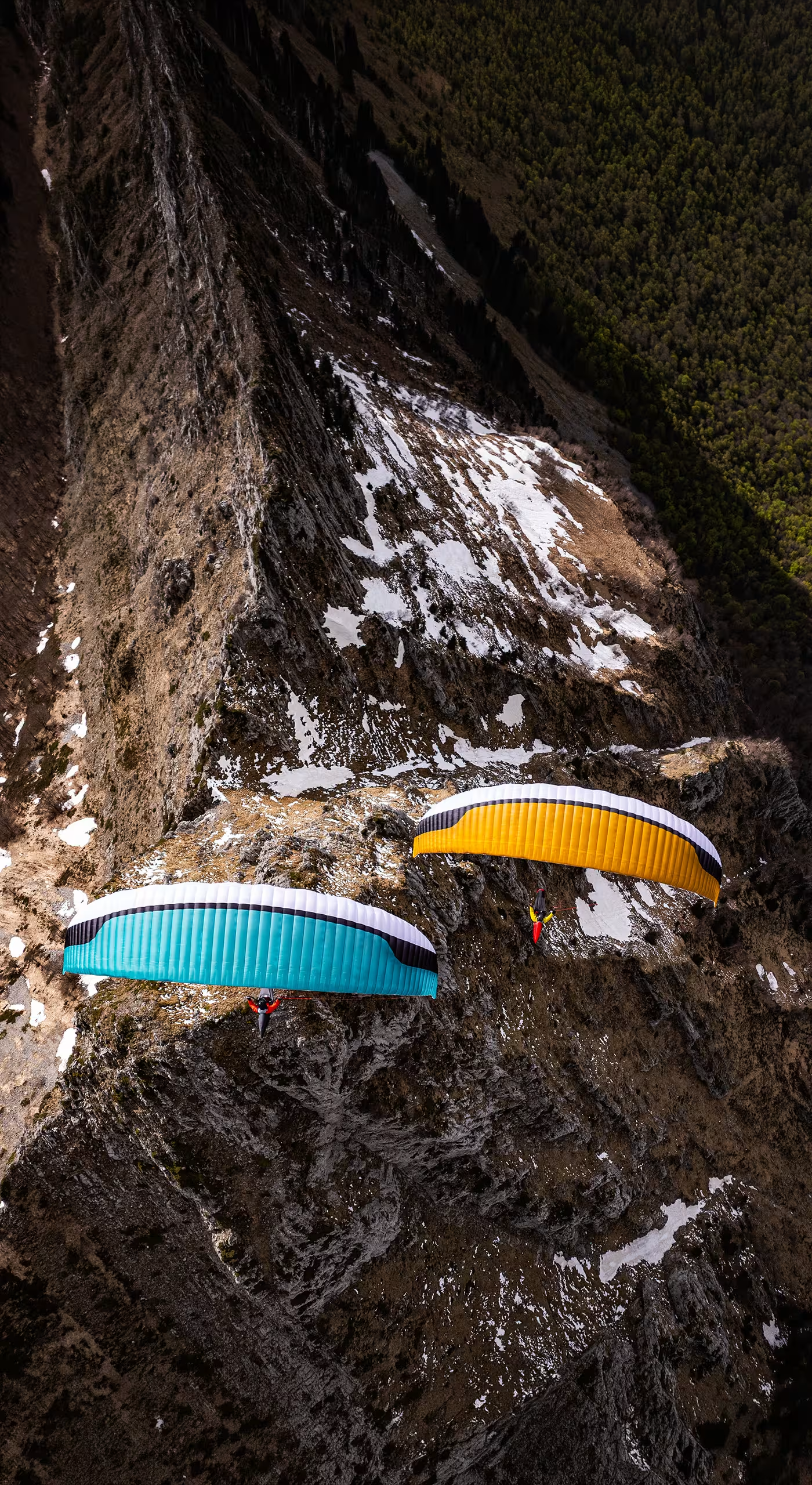
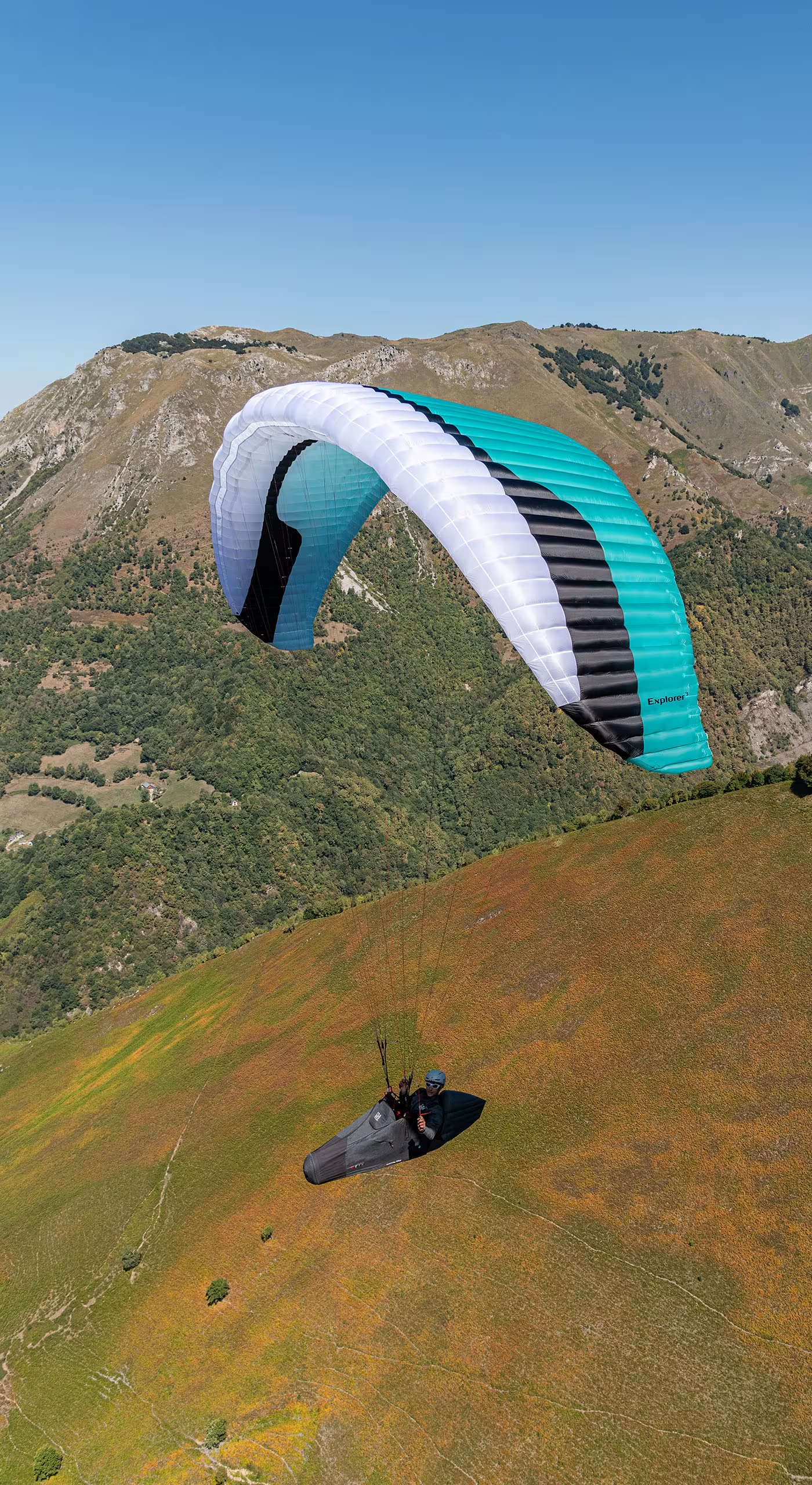
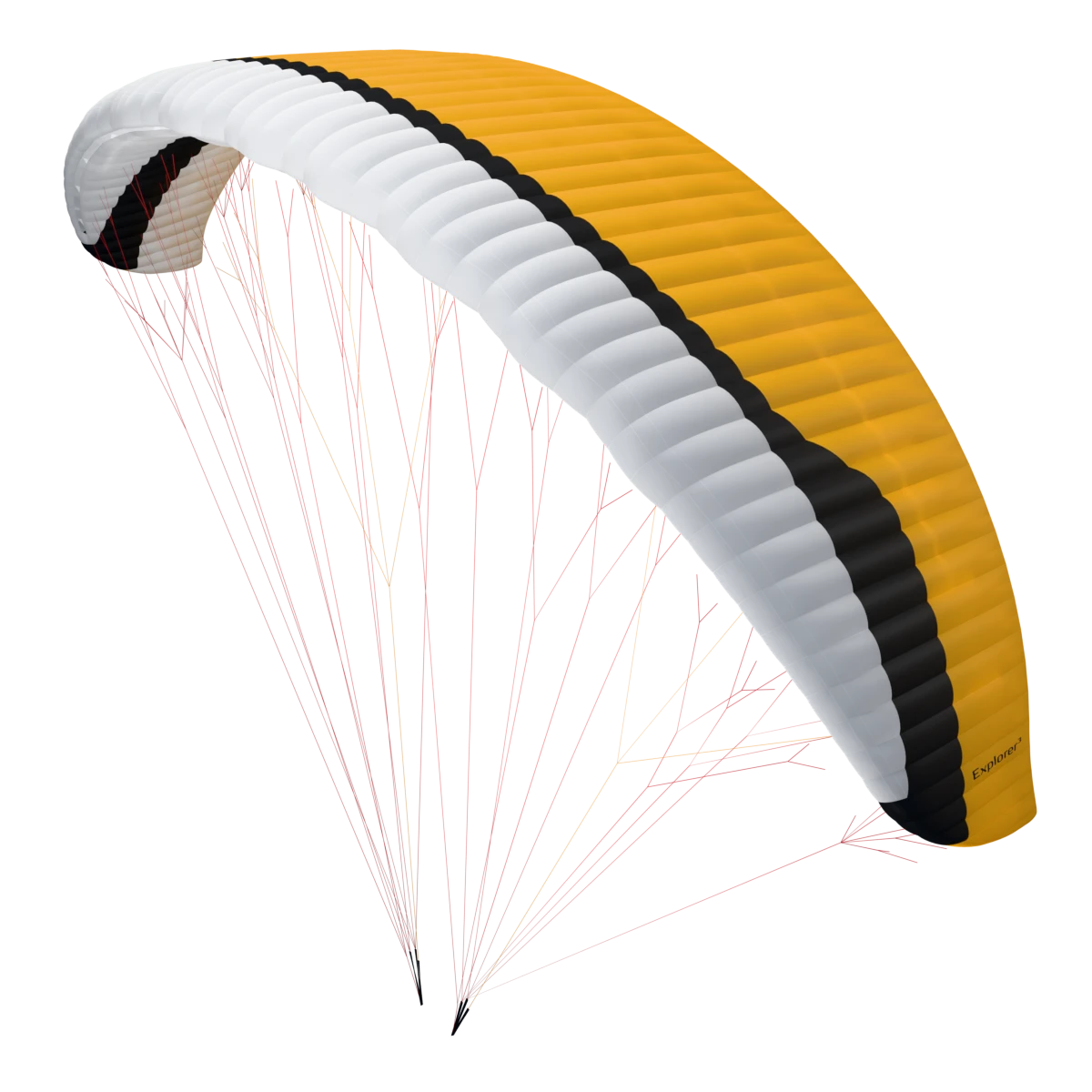
The Explorer 3 is a completely new high-performance EN-B wing for ambitious cross-country pilots.
Built around a new airfoil, new planform and the latest developments from GIN’s higher-performance wings, it delivers more glide, more speed and greater efficiency while retaining the intuitive handling and comfort that have always defined the Explorer series.
For pilots who want to turn more flying hours into more kilometres.


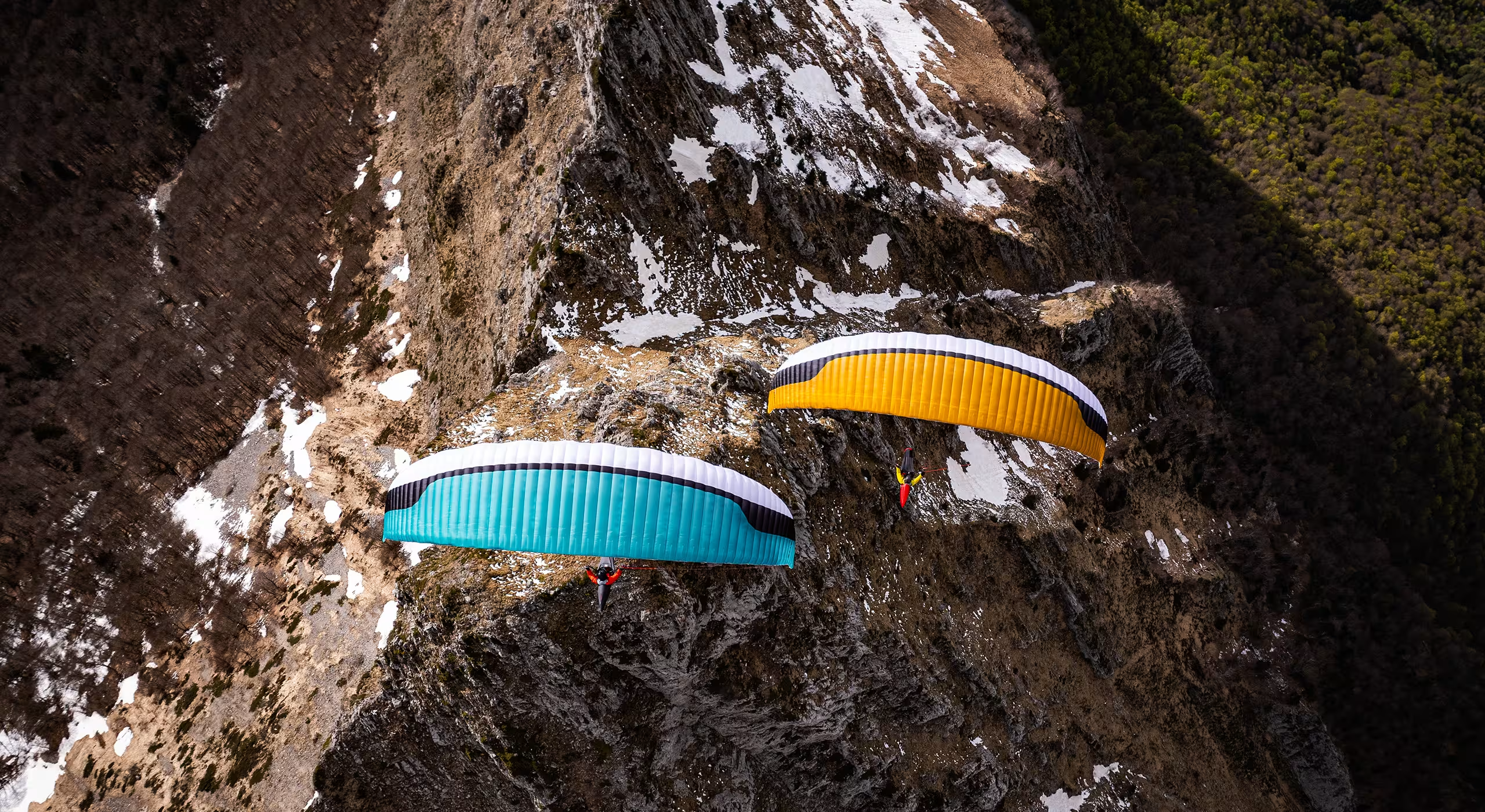
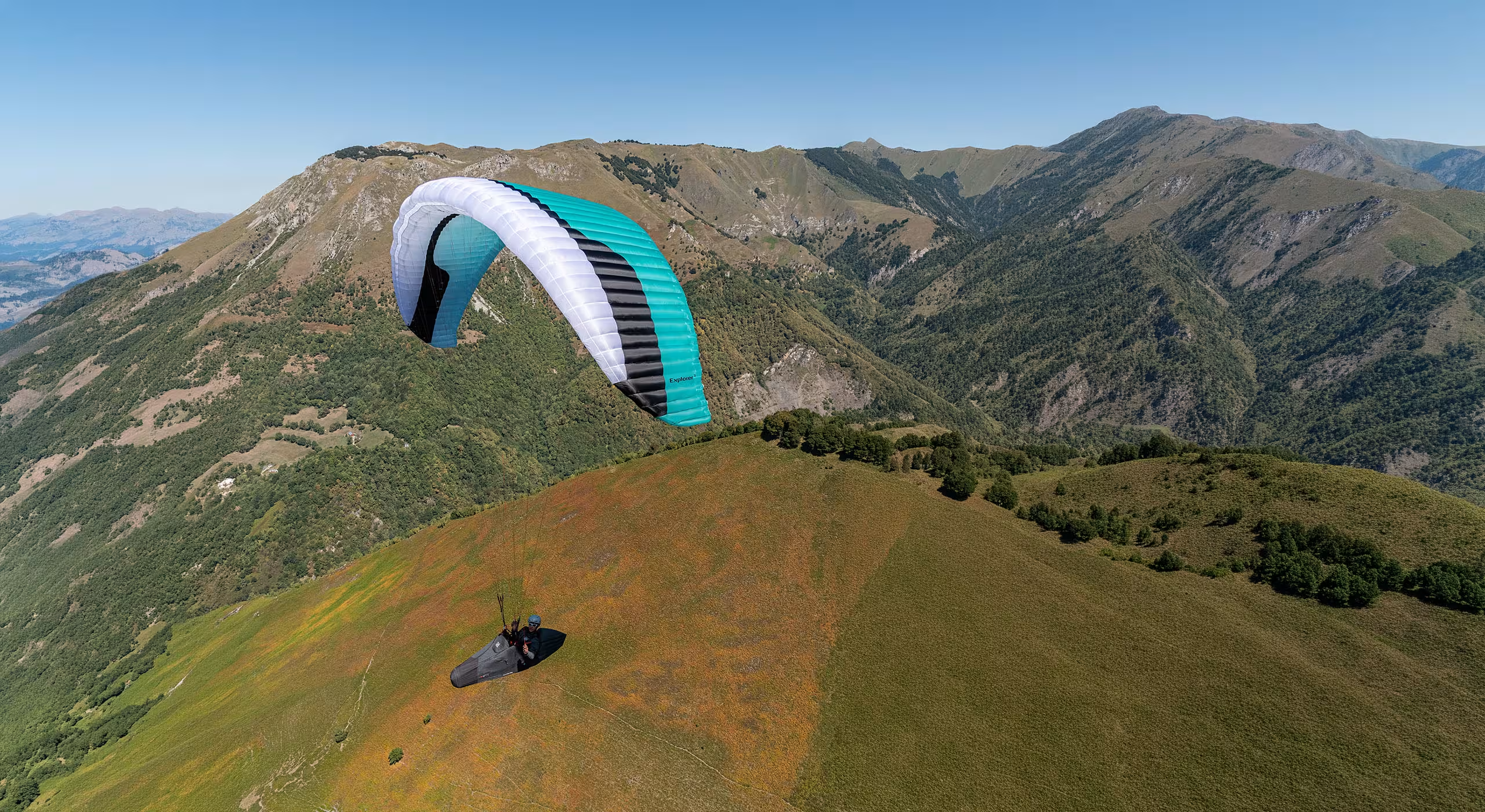


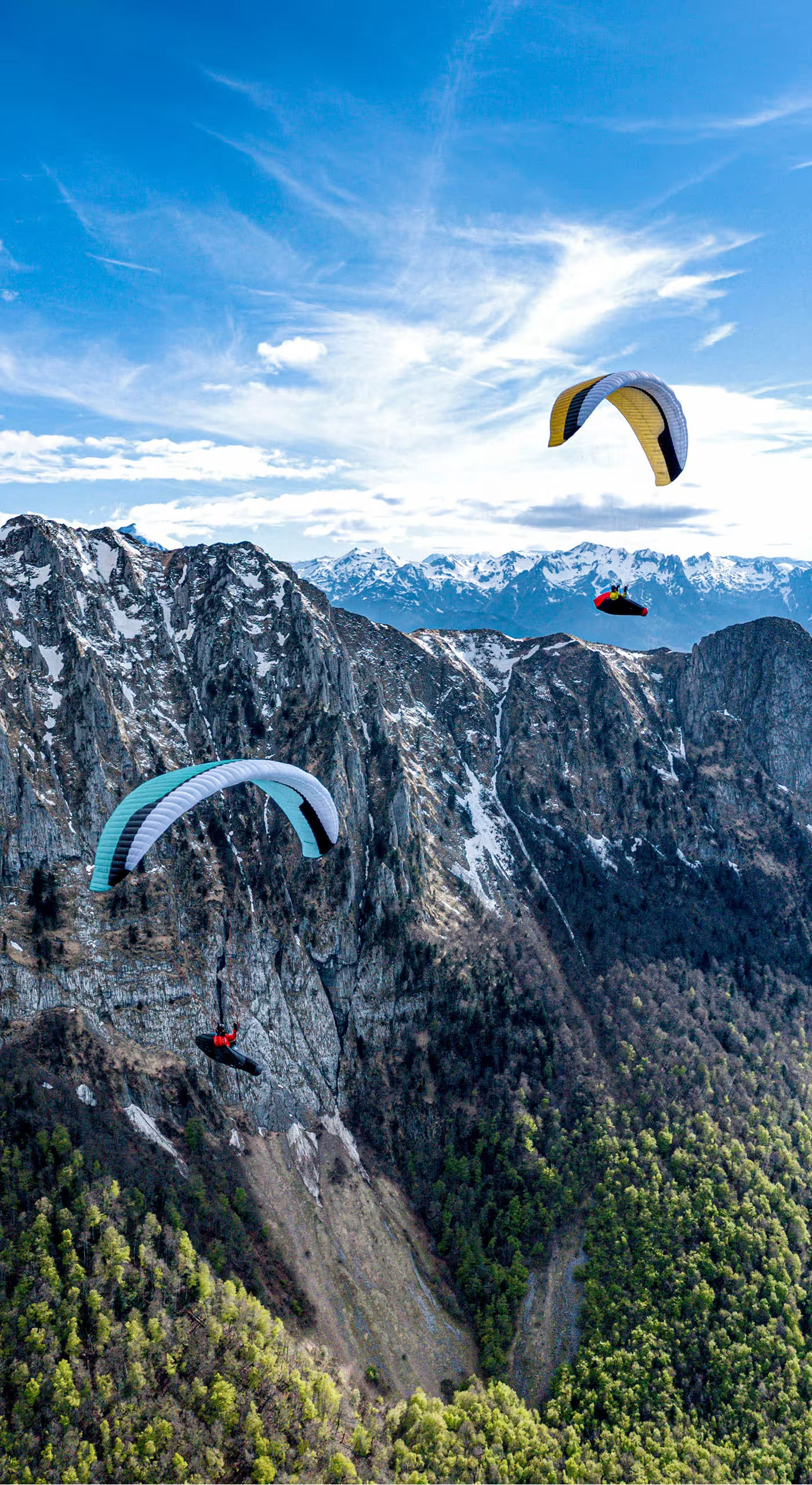
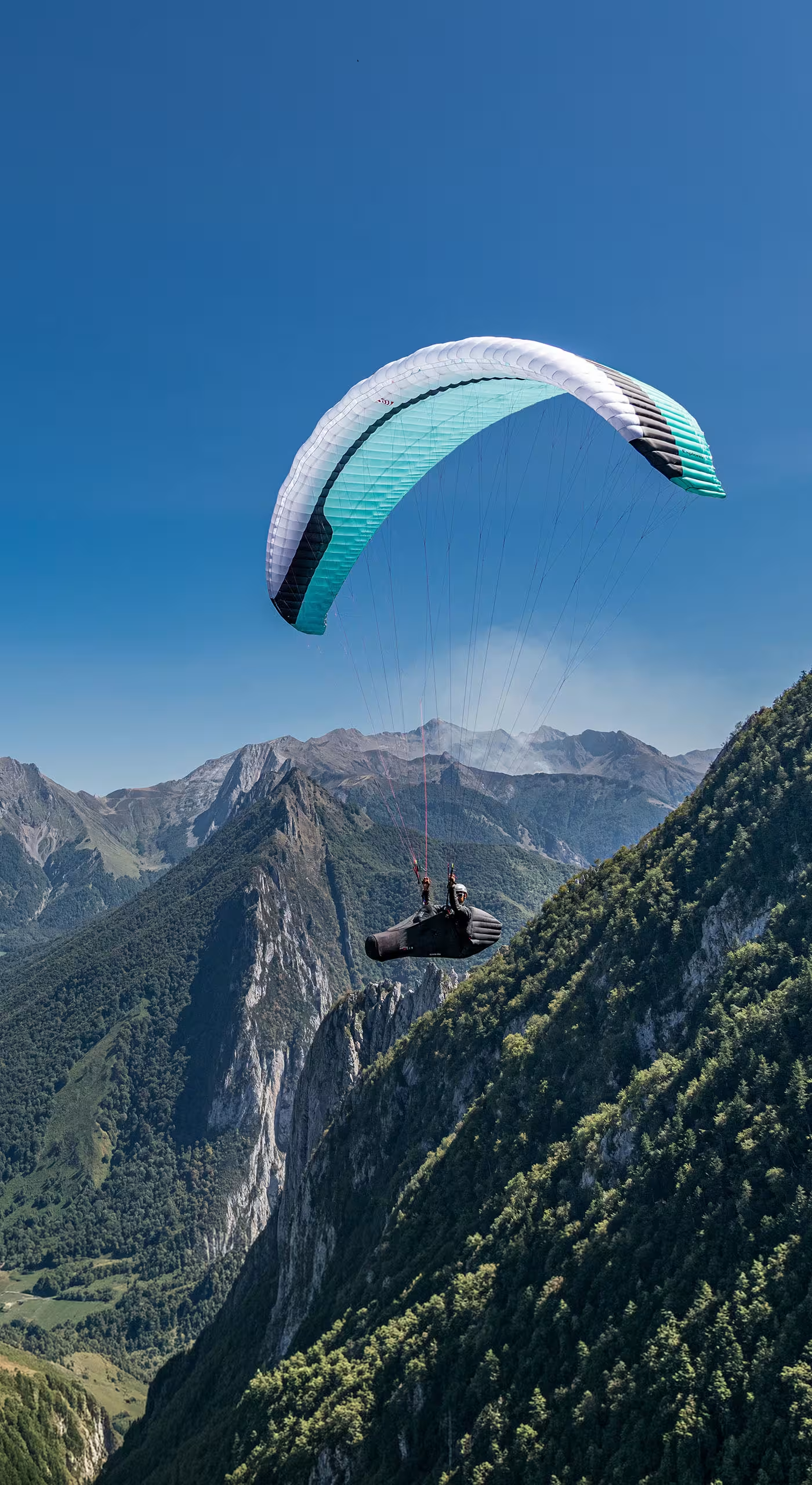


DESIGNED TO GO FURTHER
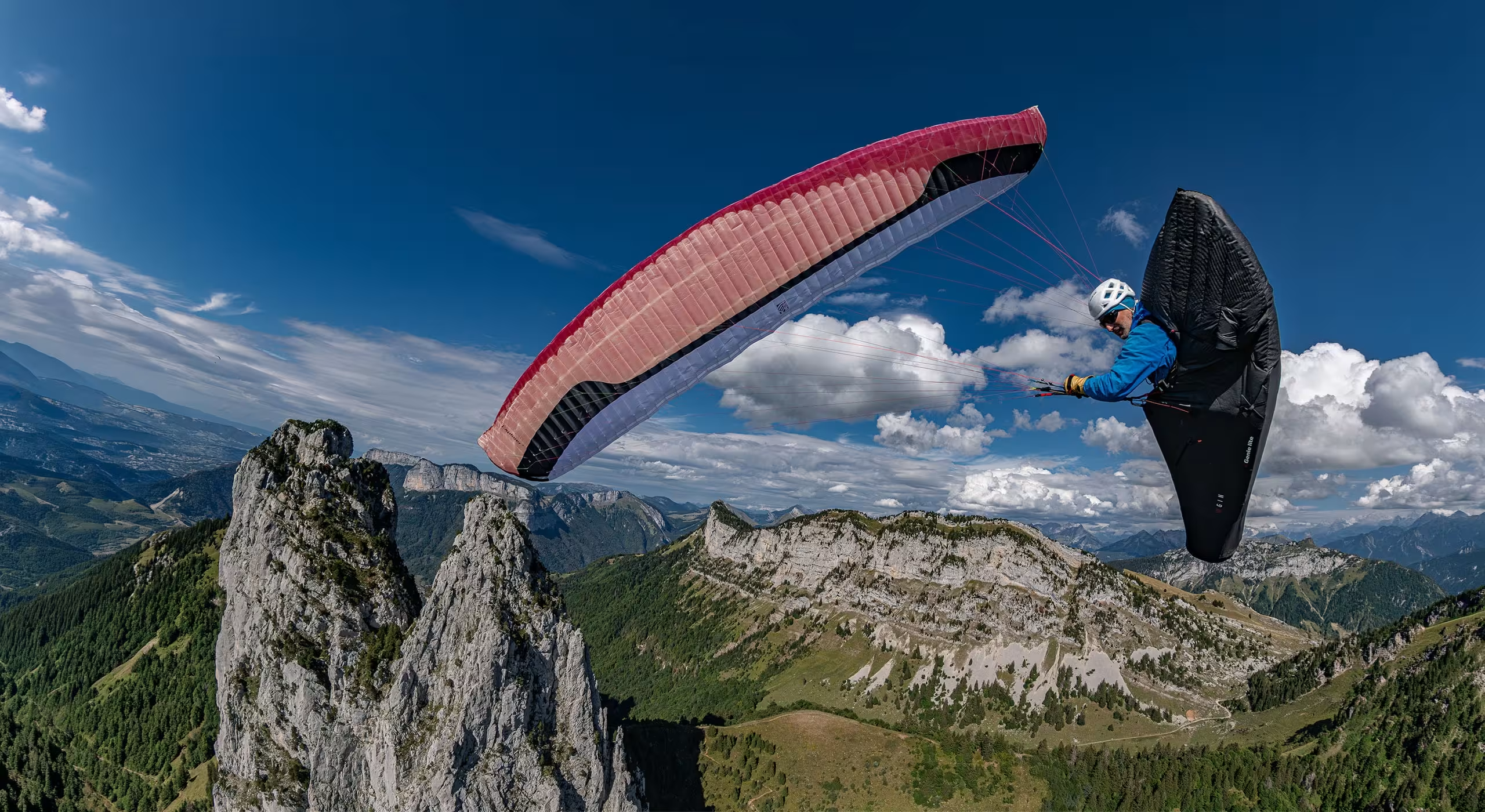
It is aimed at experienced EN-B pilots looking to extend their XC potential, as well as pilots stepping down from higher categories who want strong performance with greater comfort and accessibility.
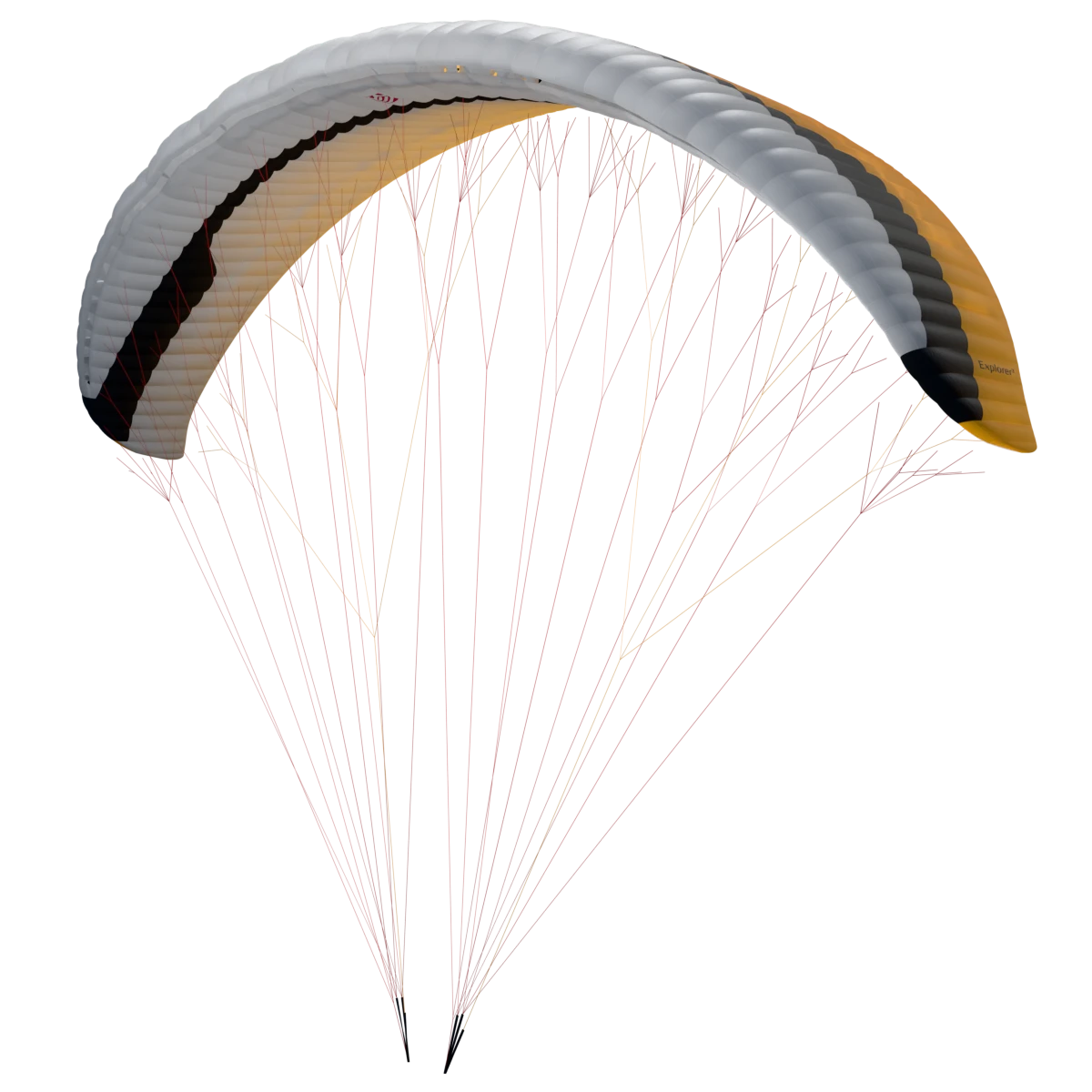
This is not an incremental update. The airfoil, planform, internal structure, wingtips and line layout have all been redesigned to create a new generation of Explorer.
It remains intuitive, communicative and easy to place in the air, while delivering more glide and speed from a more stable, solid and collapse-resistant platform.
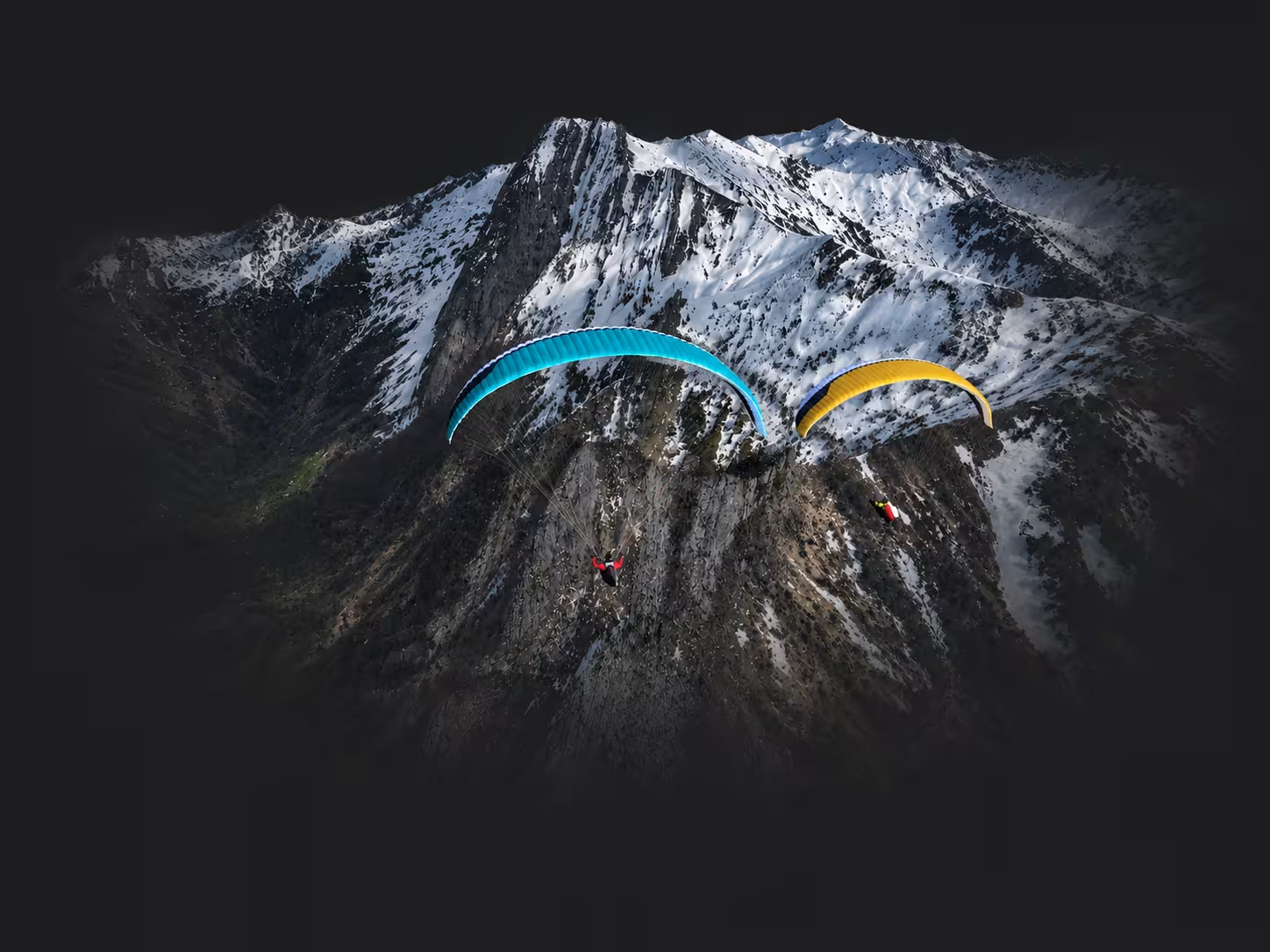
NEW GENERATION AIRFOIL
Paragliders do not have a horizontal tail to stabilise pitch in the way conventional fixed-wing aircraft do. The pitching behaviour therefore has to come largely from the airfoil itself.
For the Explorer 3, we developed a new profile with more inherently stable pitching characteristics.
Its geometry moves further towards the stable end of the airfoil spectrum, shifting the pitching moment towards a more nose-up tendency. In practical terms, the profile has a stronger natural tendency to maintain its attitude without relying as heavily on pilot input.
For the pilot, this translates into a wing that feels calmer in turbulent air, maintains its pitch more naturally and behaves more progressively when disturbed.
RAKED TIPS. REAL GAINS.
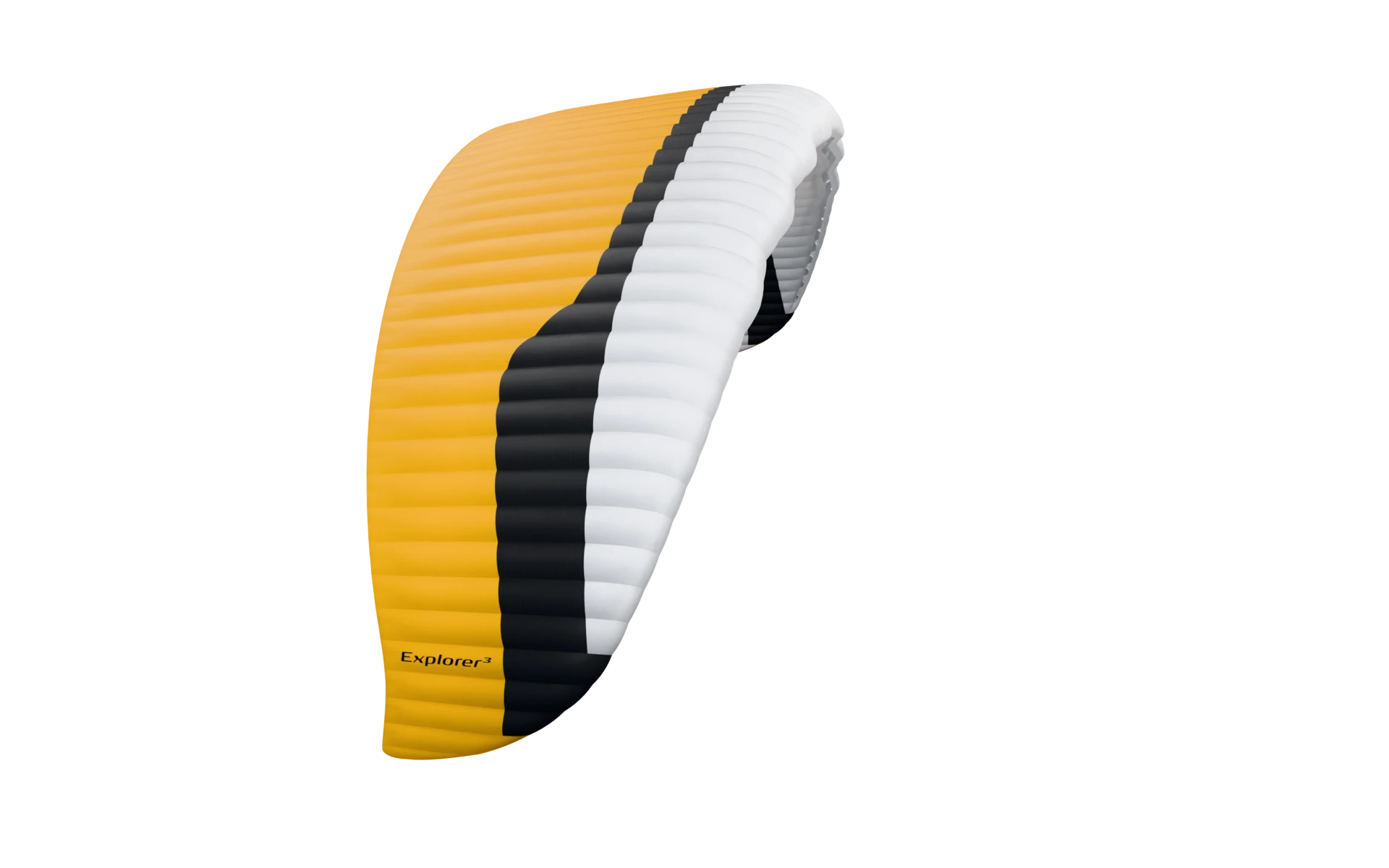
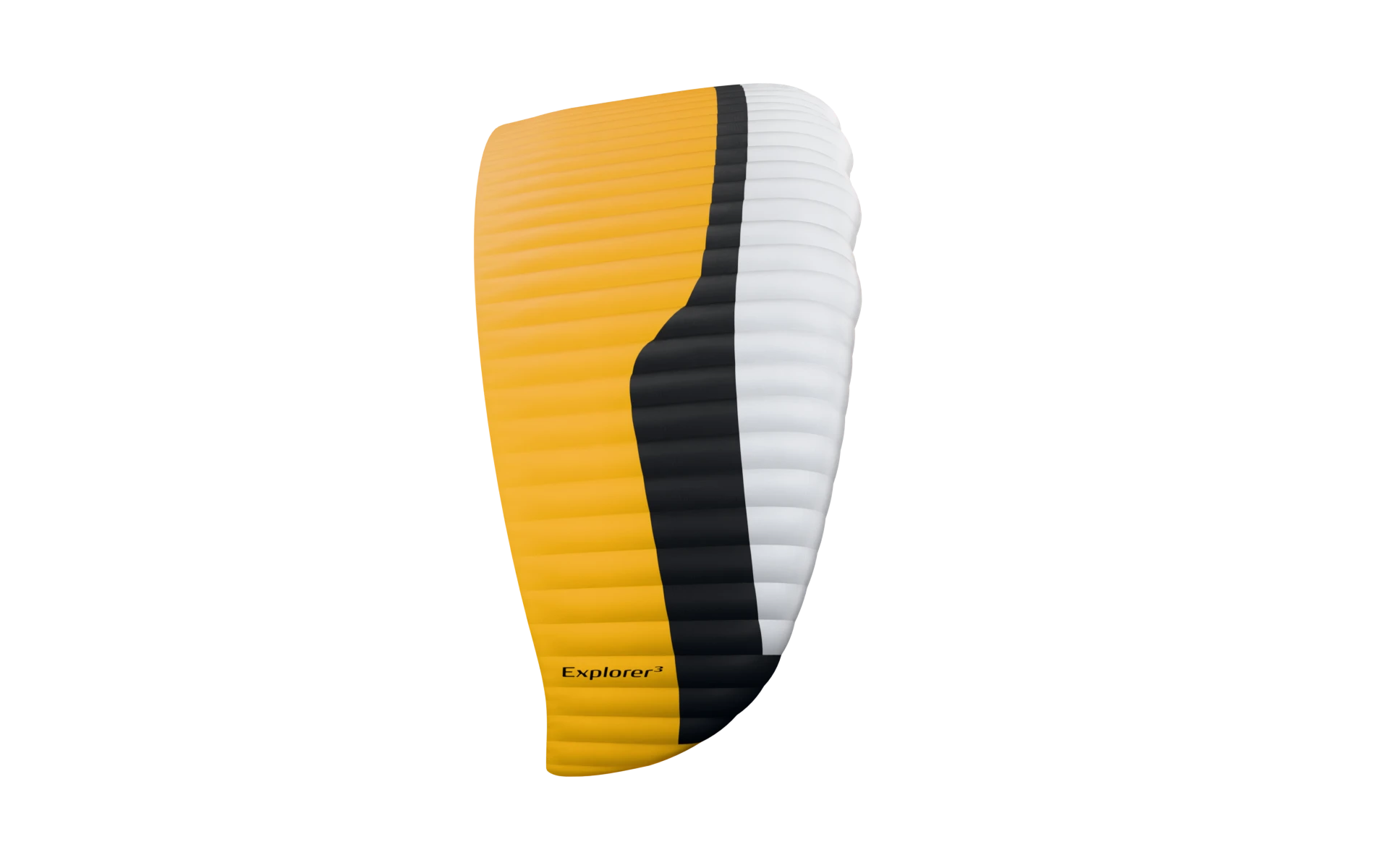
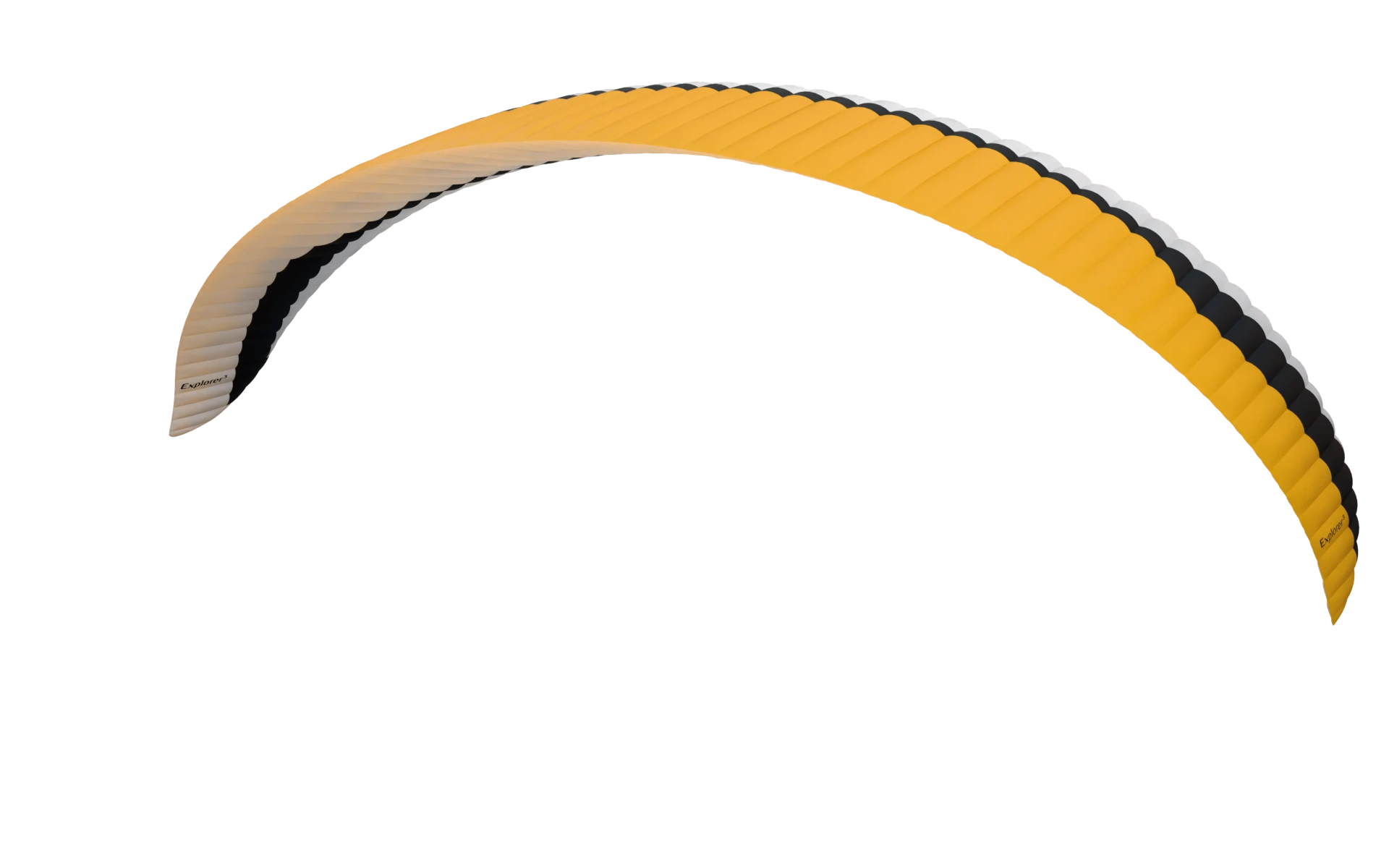
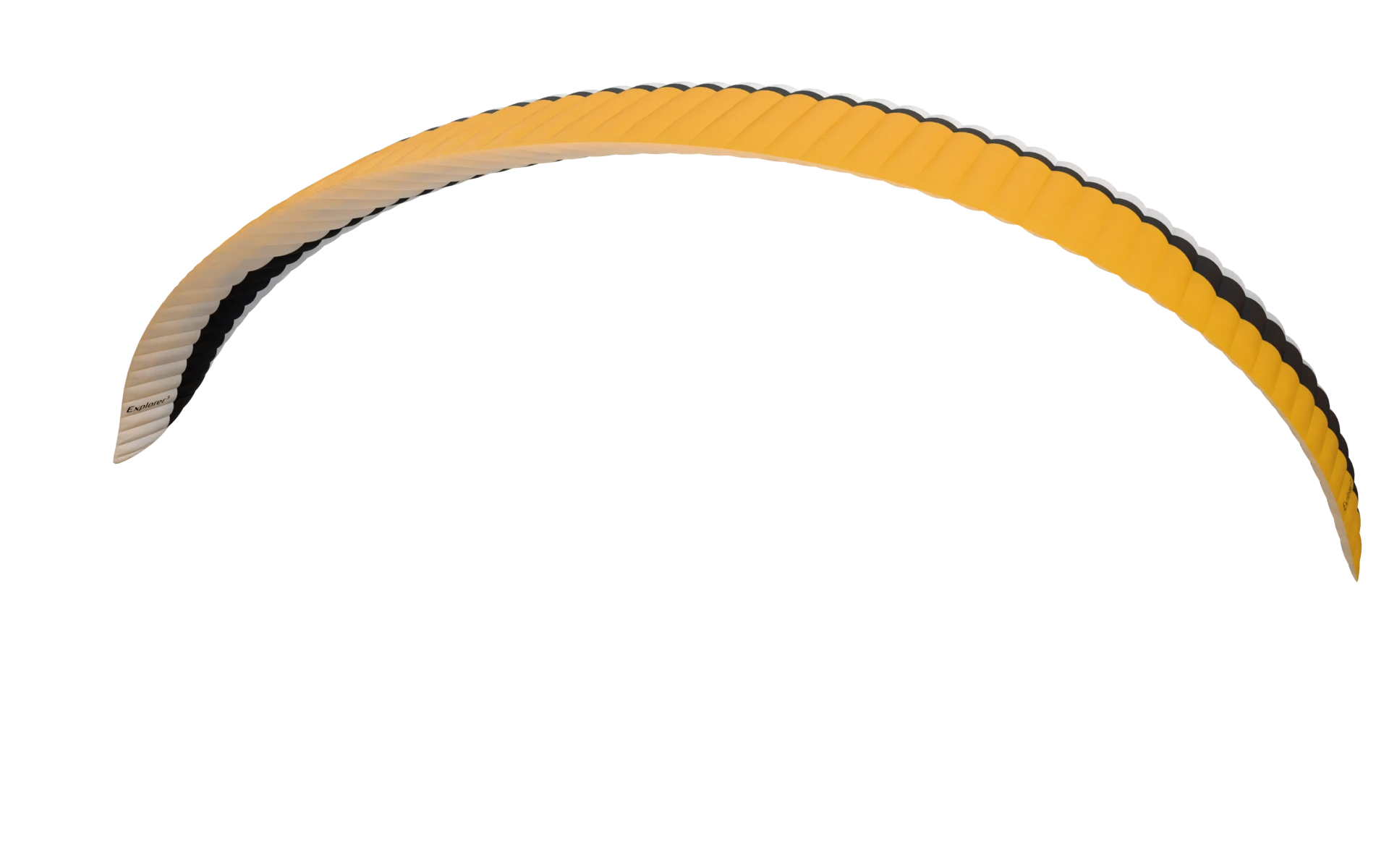
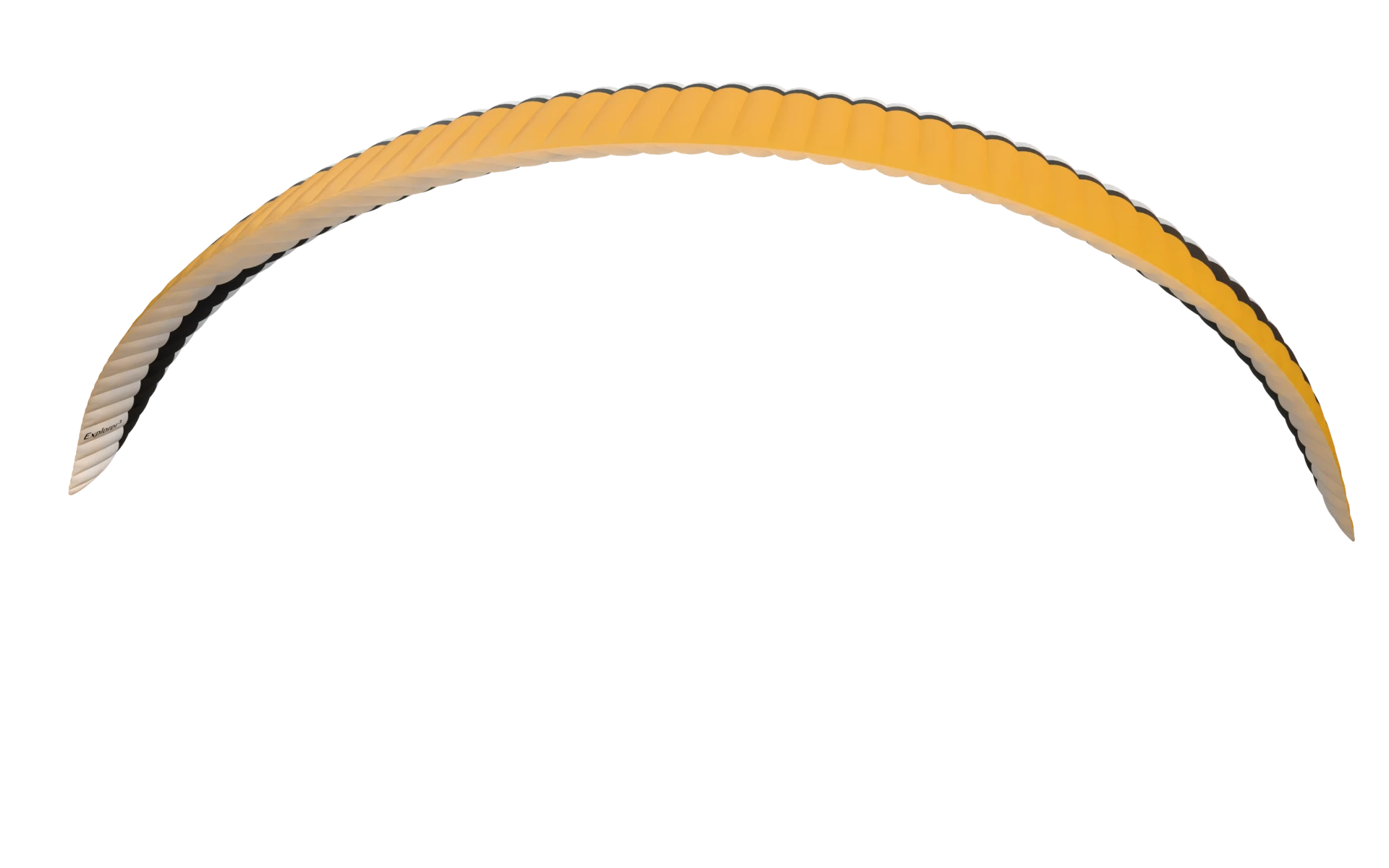
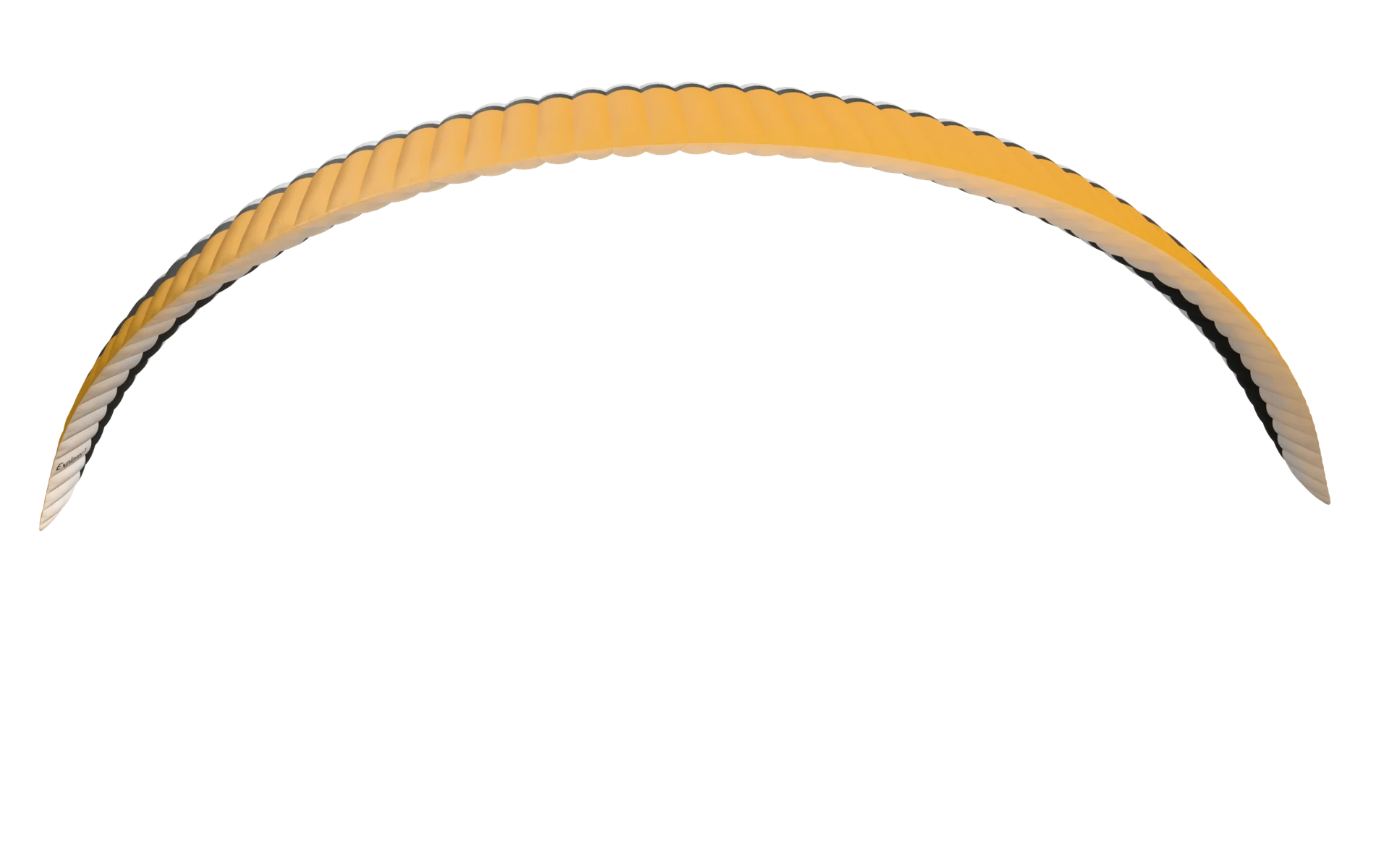
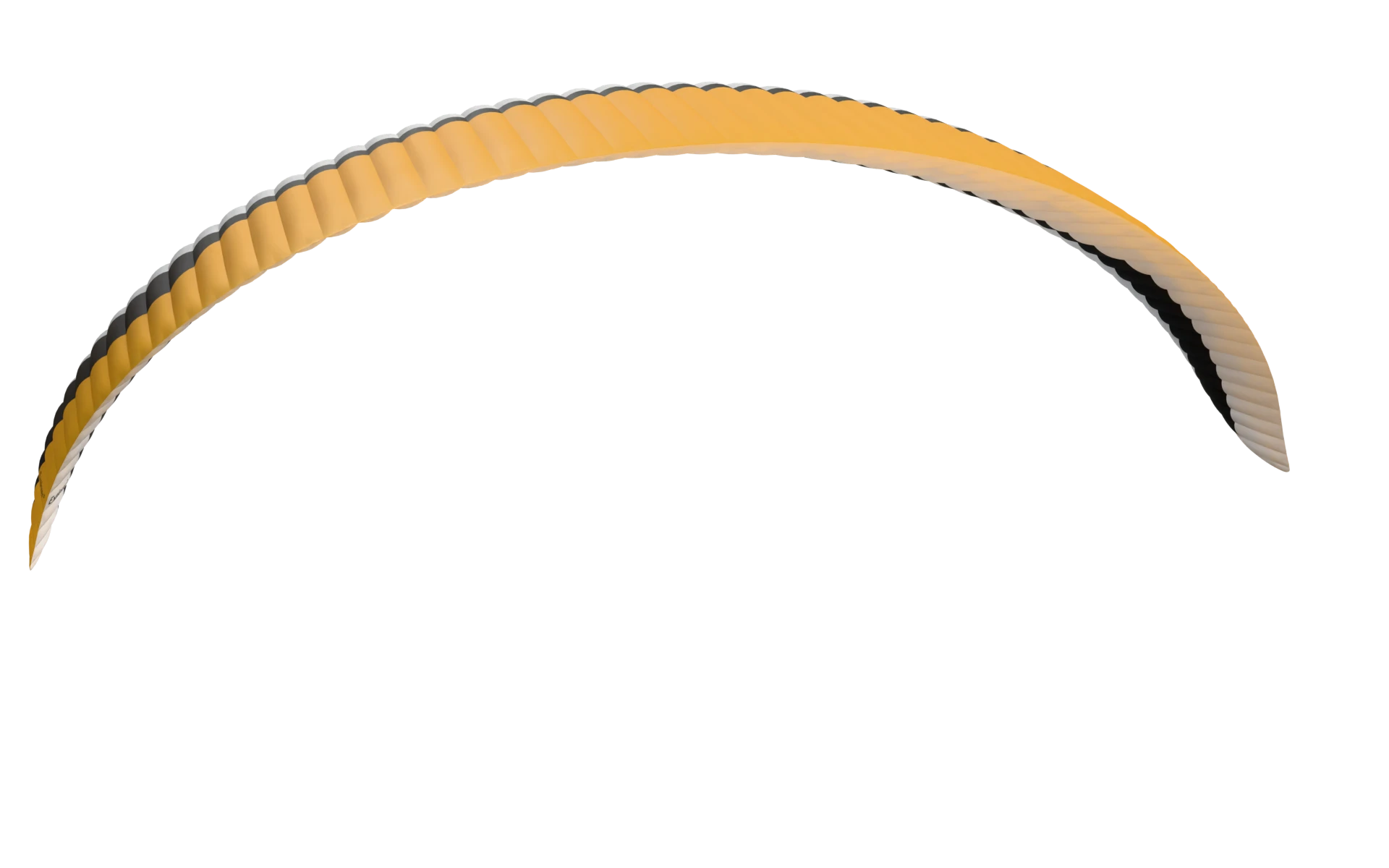
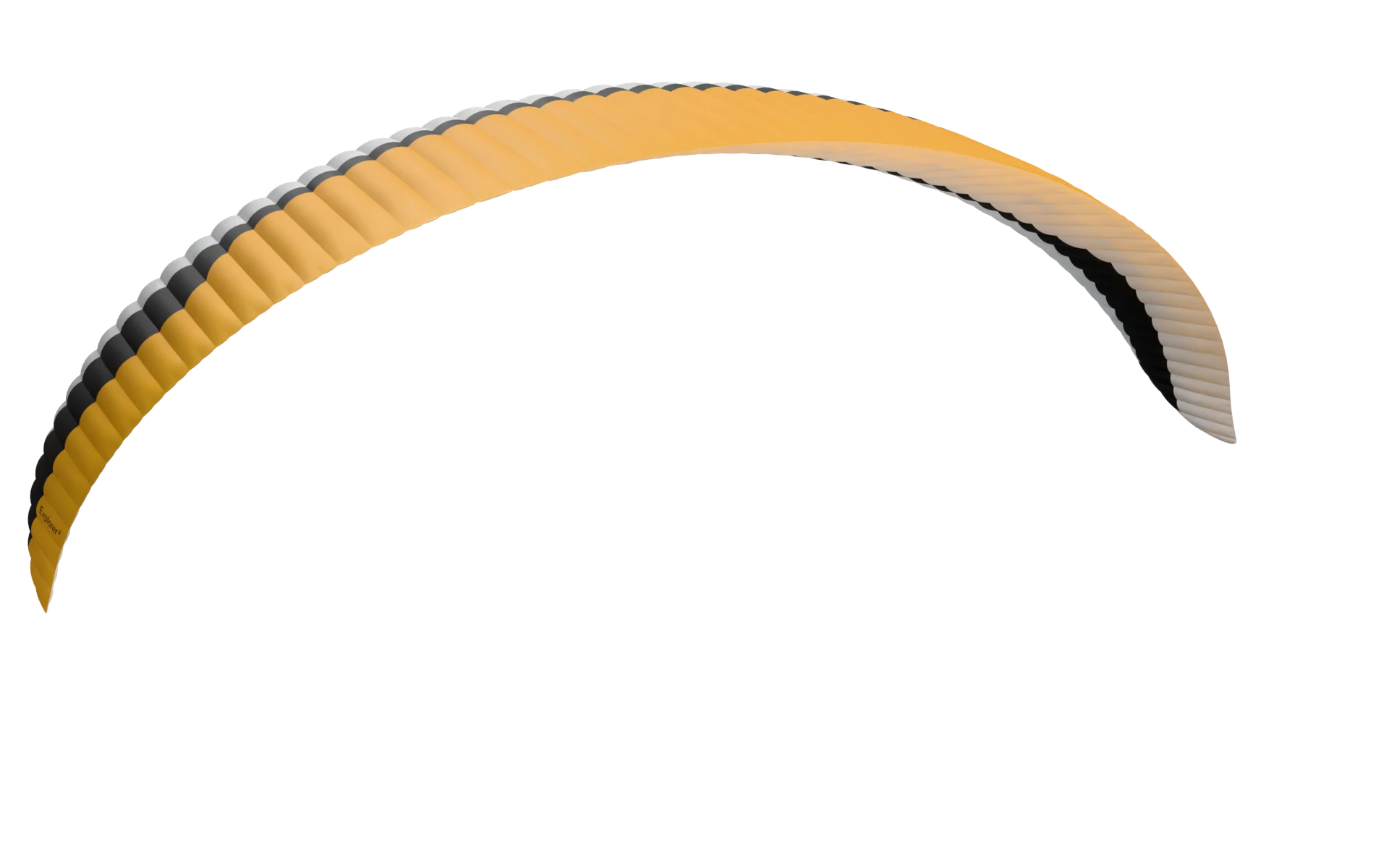
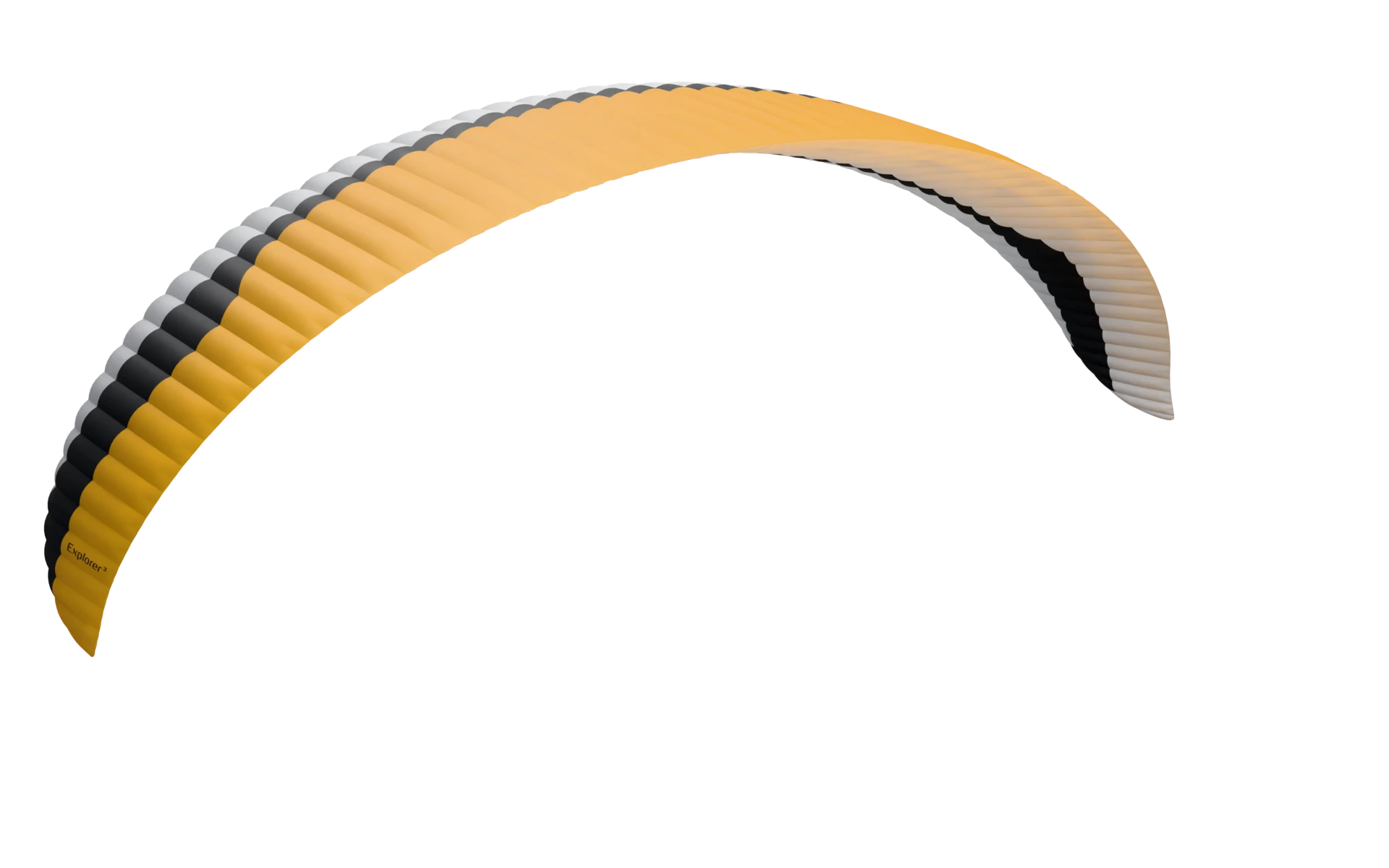
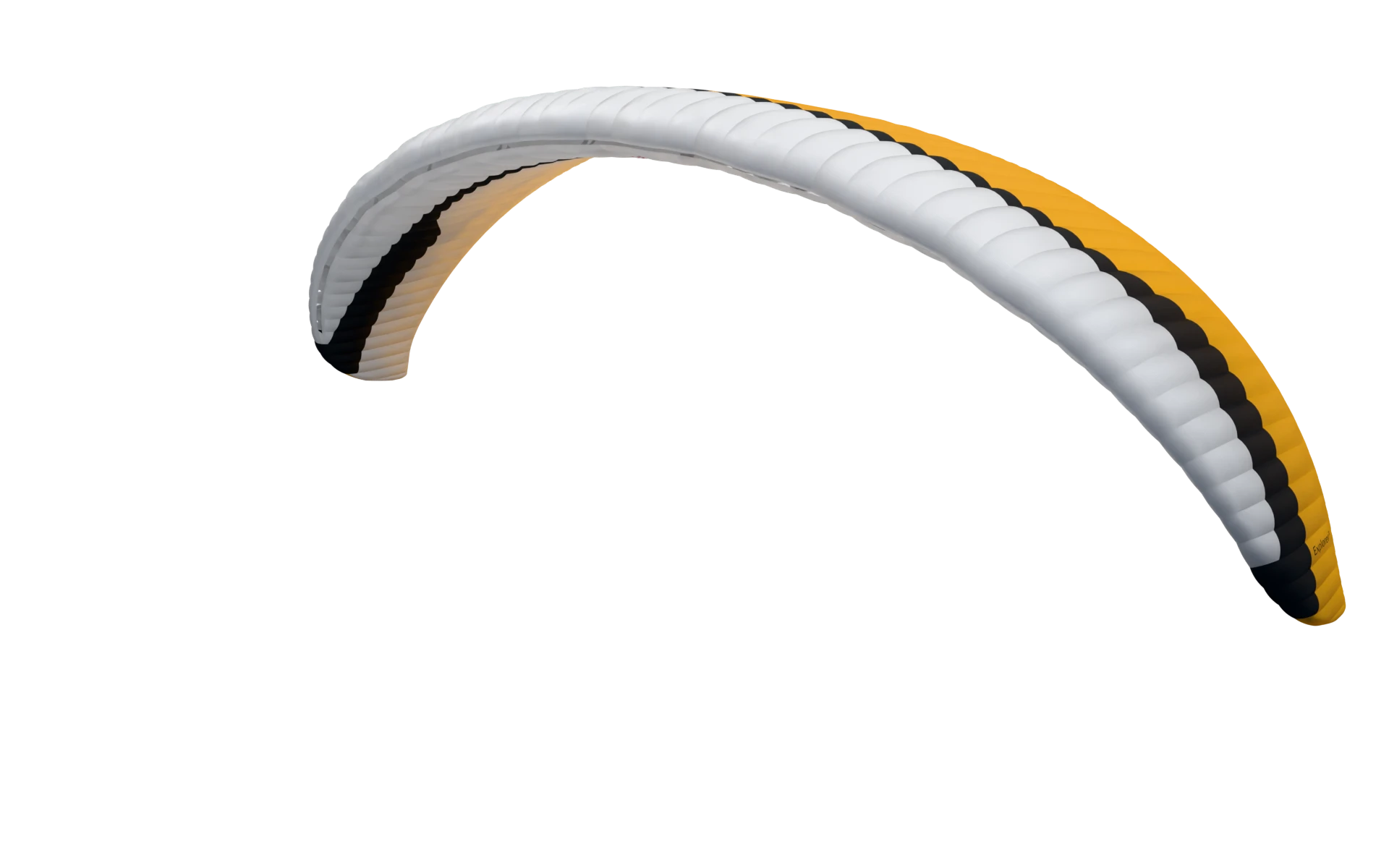
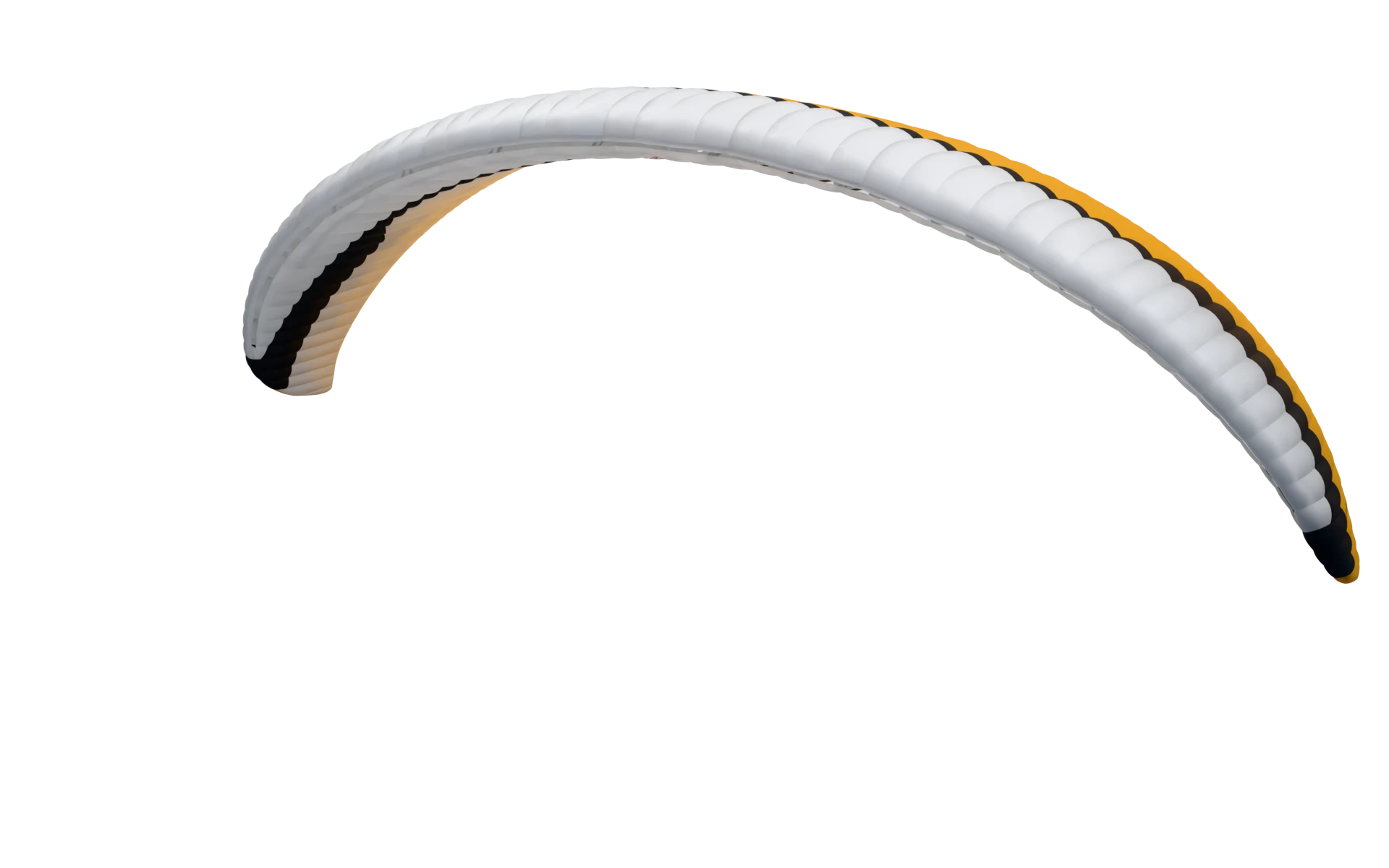
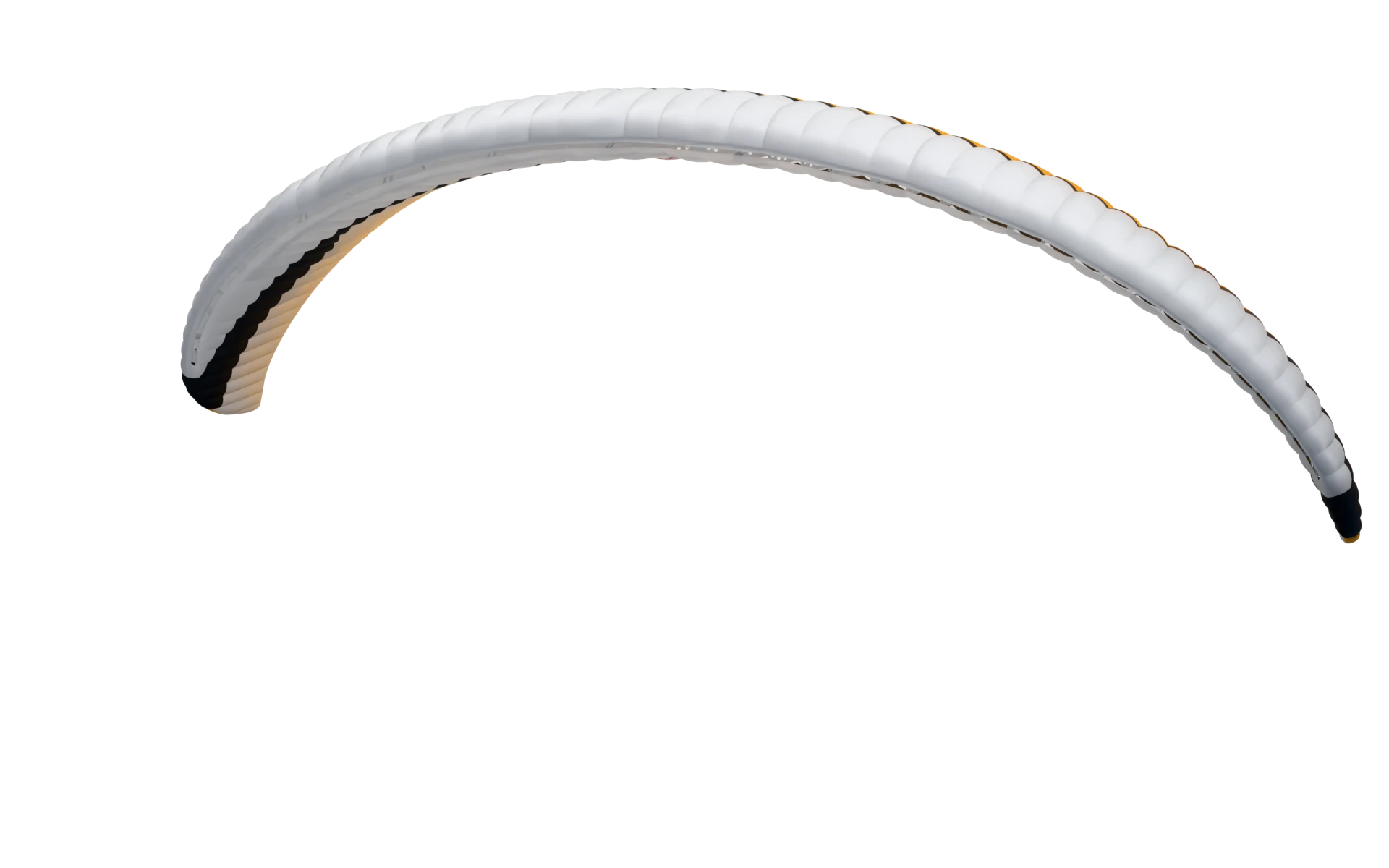
The Explorer 3 introduces a new elliptical stabilo shape combined with raked wingtips.
The geometry helps manage wingtip vortices by moving them further away from the main lifting surface, reducing their influence on the wing and lowering induced drag.
The benefit becomes increasingly relevant as speed rises.
A NEW TAKE ON EXPLORER HANDLING
Performance was never the only reason pilots chose the Explorer. Its handling has always been fundamental to its character.
The Explorer 3 evolves the legendary Explorer turning character with more brake range and greater control over the energy of the turn.
It carves naturally while retaining energy, allowing the pilot to manage bank angle with greater precision — from flatter, efficient turns to tighter cores.
The result is more precise, adaptable handling while preserving the excellent float that defined the Explorer 2.
WAVE LEADING EDGE
The Explorer 3 brings GIN’s Wave Leading Edge technology to the Explorer series.
Inspired by humpback whale tubercles and developed through the GIN LAB wind-tunnel programme, it improves efficiency at high angles of attack, reduces sink at lower speeds and makes stall behaviour more progressive.
It also contributes to pitch stability and spanwise solidity, helping the wing remain efficient in thermals and more composed in active air.
REAR-RISER CONTROL
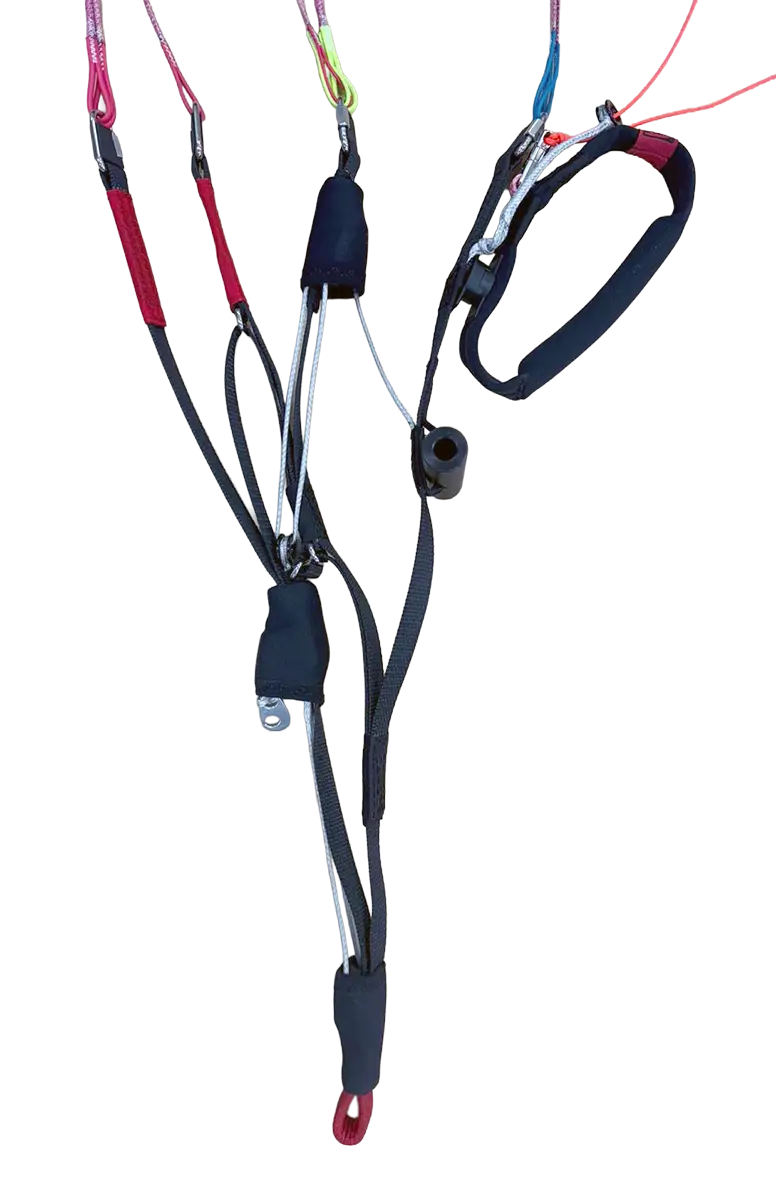
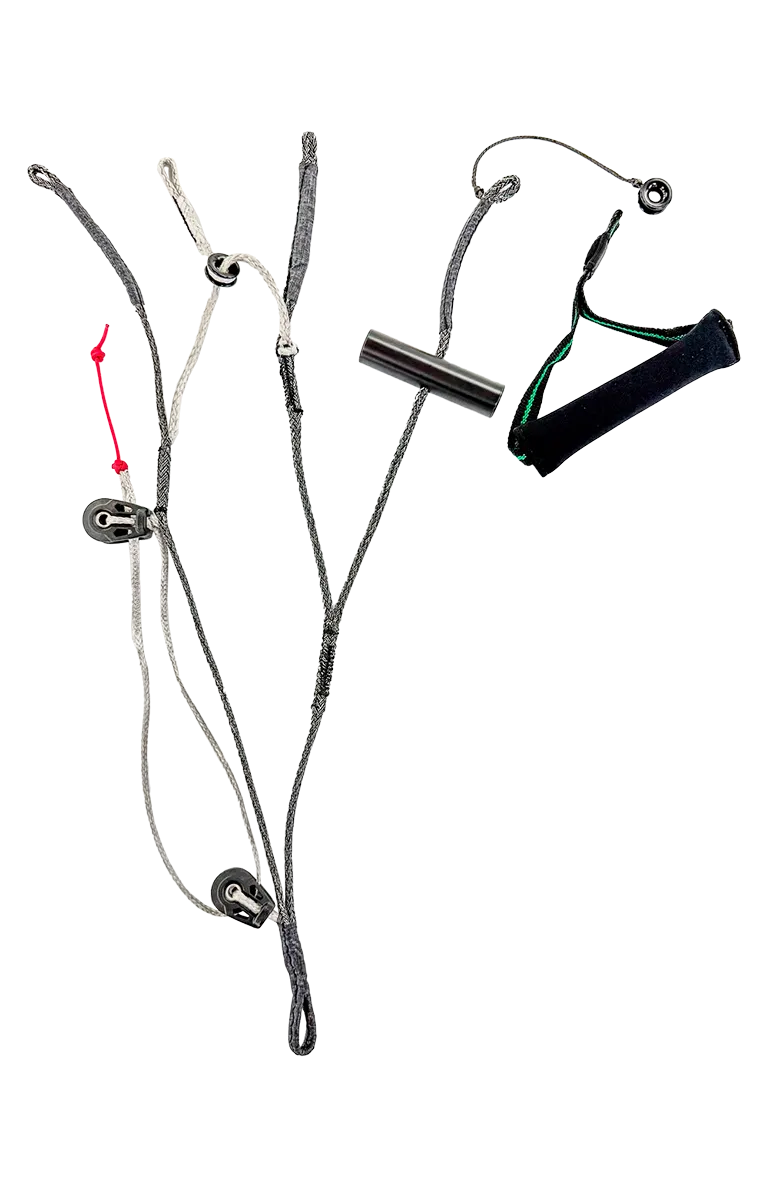
The new rear-riser control system allows precise pitch and trajectory corrections while accelerated, helping maintain speed and glide through changing air.
Refined geometry provides clear feedback and comfortable control forces, making accelerated flying more efficient over long XC transitions.
details
materials
specifications
| size | XXS | XS | S | M | L |
|---|---|---|---|---|---|
| flat area (m²) | 20.8 | 22.34 | 24 | 26 | 27.99 |
| flat span (m) | 11.07 | 11.48 | 11.9 | 12.38 | 12.85 |
| flat aspect ratio | 5.9 | 5.9 | 5.9 | 5.9 | 5.9 |
| projected area (m²) | 17.82 | 19.14 | 20.56 | 22.28 | 23.98 |
| projected span (m) | 8.85 | 9.17 | 9.51 | 9.89 | 10.27 |
| projected aspect ratio | 4.4 | 4.4 | 4.4 | 4.4 | 4.4 |
| chord (m) | 2.31 | 2.39 | 2.48 | 2.58 | 2.68 |
| number of cells | 59 | 59 | 59 | 59 | 59 |
| glider weight (kg) | 3.15 | 3.35 | 3.55 | 3.75 | 3.95 |
| weight range (kg) | 55 - 75 | 65 - 85 | 75 - 95 | 85 - 105 | 95 - 120 |
| ideal weight range (kg) | 60 - 70 | 70 - 80 | 80 - 90 | 90 - 100 | 100 - 115 |
| certification | EN B | EN B | EN B | EN B | EN B |
colors


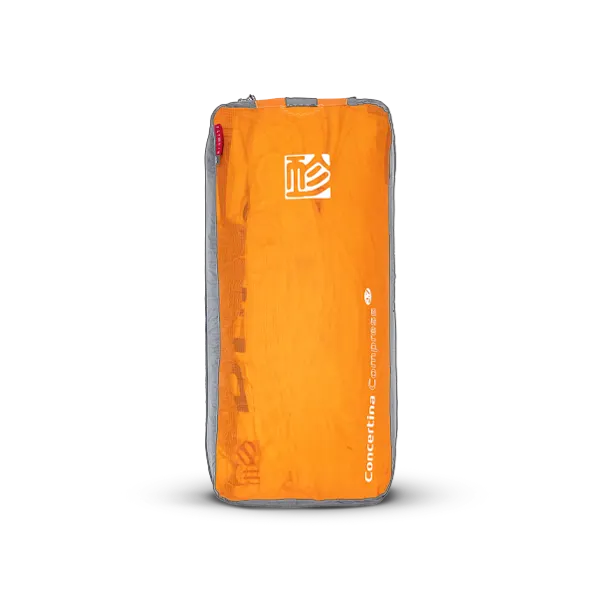
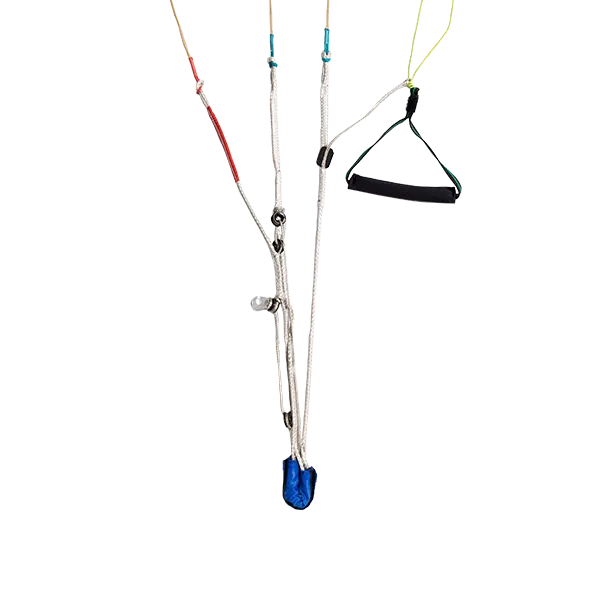
included with your Explorer 3